Importance of Roadside Tests In Court
📅 2026 Update: Key Changes in DUI and DWI Laws
Since the original article was written, several important changes have taken place in DUI and DWI laws across the United States. These updates affect penalties, legal thresholds, and testing procedures. The following sections will highlight the most significant changes that impact roadside tests and their importance in court.
🚨 California's Braun's Law
On September 25, 2026, California enacted Braun's Law. This law increases penalties for repeat DUI offenders. Penalties now include longer license revocations and mandatory ignition interlock devices.
These changes aim to reduce repeat offenses and improve road safety.
⚖️ North Carolina's Sober Operator Act
Starting December 1, 2025, North Carolina’s Sober Operator Act lowered the legal BAC limit from 0.08% to 0.05%. This change reflects a growing emphasis on reducing drunk driving incidents. The law also allows oral fluid drug screening devices and raises license restoration fees to $250.
🔑 Tennessee's Prevention of Drunk Driving Act
In May 2024, Tennessee passed the Prevention of Drunk Driving Act. This legislation created a 12-member task force to assess impaired driving and boating. The task force's findings may lead to further changes in DUI laws and penalties in the future.
🛑 Florida's Trenton's Law
Effective October 1, 2025, Trenton's Law in Florida makes refusing a breath or urine test after a DUI arrest a second-degree misdemeanor on the first refusal. Subsequent refusals escalate to a first-degree misdemeanor. This law aims to discourage individuals from avoiding testing.
📌 Summary of Key Updates
- 🚨 California's Braun's Law increases penalties for repeat offenders.
- ⚖️ North Carolina lowered the BAC limit to 0.05%.
- 🔑 Tennessee formed a task force to review impaired driving laws.
- 🛑 Florida's Trenton's Law imposes harsher penalties for test refusal.
💡 Tips for Navigating DUI and DWI Situations
It is important to discuss the specifics of your situation with your attorney. Understanding the latest laws can help you navigate your case effectively.
📋 Understand State Laws
Each state has unique DUI laws. Familiarize yourself with the specific regulations in your state. This includes BAC limits, penalties, and testing procedures.
📝 Know Your Rights
Understanding your rights during a roadside test is crucial. You can refuse to take tests, but there may be legal consequences. Know what these consequences are in your state.
🚦 Prepare for Court
If you face DUI charges, prepare thoroughly for court. Gather all evidence that supports your case, including witness statements and any video footage.
🔍 Review Testing Procedures
Be aware of how roadside tests are conducted. Incorrect procedures can sometimes lead to invalid test results. This knowledge can help in your defense.
📅 Stay Informed on Law Changes
Stay updated on changes in DUI laws. Laws can change frequently, and being informed can impact your case.
🏆 Top Services for DUI and DWI Assistance Ranked by User Reviews (2026)
When dealing with DUI and DWI charges, specific services can help you navigate the legal landscape. The following services are ranked based on Trustpilot data as of October 2026. Scores can vary over time, so it's important to consider that ratings are just one aspect of customer feedback.
🥇 1. Travel Visa Pro
Travel Visa Pro holds a **Trustpilot score of 4.5. This service is known for expediting passports and visas, which can be critical if you need to travel for legal matters. While reviewers praise its efficiency, some mention higher fees compared to competitors, which could impact your budget if you are already facing legal costs.
🥈 2. Rocket Lawyer
Rocket Lawyer also has a **Trustpilot score of 4.5. It provides a range of online legal services, including document preparation and legal advice. Many users appreciate the convenience of its services, but some have reported issues with customer support response times.
This could be a factor if you require timely assistance for your DUI case.
🆓 Free Government Help
Utah County offers a 24/7 Sobriety Program. This program allows individuals sentenced for DUI-related charges to retain their driver's license through twice-daily alcohol testing. It provides a valuable option for those needing to maintain their driving privileges while dealing with their case.
🔎 What to Compare When Choosing Services
- 📊 Trustpilot scores and reviews
- 💼 Range of services offered
- 💰 Cost of services
- 📞 Customer support availability
❓ Frequently Asked Questions
❓ What is the legal BAC limit in North Carolina?
North Carolina's legal BAC limit is 0.05% as of December 1, 2025. This lower limit aims to reduce drunk driving incidents.
📅 How long does a DUI case take to resolve in Texas?
In Texas, a first-offense DUI case typically takes between three months to over a year to resolve. More complex cases can take longer.
🛑 What happens if I refuse a breathalyzer test in Florida?
In Florida, refusing a breath or urine test after a DUI arrest is a second-degree misdemeanor for the first refusal and escalates for subsequent refusals. This law aims to deter test refusals.
🚦 Are there penalties for refusing to take a breathalyzer in New Hampshire?
Yes, starting January 1, 2027, refusing to take a breathalyzer test in New Hampshire leads to a nine-month license suspension.
🔑 How can I prepare for a DUI court case?
To prepare for a DUI case, gather all relevant evidence, including witness statements. Understanding the testing procedures and state laws will also help your case.
📋 What is the purpose of Tennessee's task force on impaired driving?
Tennessee's task force reviews impaired driving and boating laws. Its findings may lead to future legislative changes aimed at improving road safety.
⚖️ Recent Court Rulings in DUI Cases
Several recent court rulings have clarified the legal landscape surrounding DUI and DWI cases. These rulings can impact ongoing and future cases significantly.
- Puerto Rico Court Rules on Speed Evidence in DUI CaseTribunal De Apelaciones De Puerto Rico/Court of Appeals of Puerto Rico · August 26, 2026
- Pennsylvania Court Upholds DUI Conviction of Dennis GiardinaSuperior Court of Pennsylvania · October 20, 2026
- Illinois Court Affirms DUI Conviction in Fatal Crash CaseAppellate Court of Illinois · October 20, 2026
- Pennsylvania court rules on DUS-DUI sentencing appealSuperior Court of Pennsylvania · June 9, 2026
For more recent rulings, feel free to browse more rulings on the news page.
End of October 2026 Update
Field Sobriety Tests are the best method through which a police officer can establish a reasonable cause to demonstrate whether or not a driver is drunk. The results of the tests give the officer probable cause under which they can arrest the person and charge them with DUI. The outcome of an FST can be very valuable to a defense or prosecution in a court of law for their case.
In a court of law, the FSTs can be used by the prosecution to further incriminate a suspect and give them a lesser chance of defense. For a subject who was arrested on a DUI charged and failed most if not all of the standardized/non-standardized field tests, there is little to try to defend oneself against. The judges are clear on the physical and mental concentration that these tests have imposed on the individual at the time of them being administered. If the driver fails most or all of them, they have little to go on in their defense case unless they are impaired by a mental or physical condition. If the driver failed only one or two parts of the test, the prosecution will try to argue in the importance and significance of that specific test as well as the officer's report on the subject.
The best weapon for the prosecution is the Standardized Field Sobriety Tests, where the best weapon for the defense are the Non-Standardized Field Sobriety Tests in addition to the SFTSTs. The defense can provide a much stronger argument if the person charged was told to engage in non-standardized tests. THe SFTSTs serve as a universal standard for law enforcement agencies, therefore the tests can be challenged less in a court of law for their accuracy. The NSFTSTs vary greatly amongst departments, and because of their individuality can be argued in favor of the defense if they are used to charge or further incriminate a person. These tests can vary greatly depending on which one the specific department or officer chose to administer, and their professional judgment can be argued and invalidated. However, this is not the only area where the defense can present a case to argue validity.
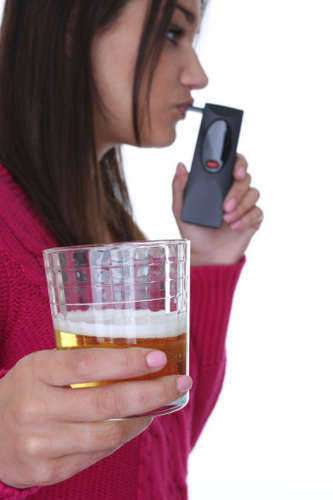
For example people over a certain age or weight may not be able to perform certain standardized tests due to their physical capabilities. This can cause them to fail the tests while they are completely sober, and be wrongfully accused and arrested. This can also pertain to a person with perhaps a recent surgery, or leg problem, such as joint weakness. Another case is presented for people with special conditions due to a medical issue such as a stroke, multiple sclerosis, or vision loss. Drivers can also be subject to impairment if they are given sedatives by a doctor, this can also cause the officer to believe they are drunk.
The contributions that Field Sobriety Tests can make in a case are of high importance to both sides. The results they have can have serious implications on a case, and are counted on as a reliable source of information to be presented in a case.