Types of Drunk Driving Accidents
📅 2026 Update: Recent Changes in Drunk Driving Laws
Since the original article was published, several states have made significant changes to their drunk driving laws. These updates aim to address repeat offenders and improve public safety on the roads. The information below highlights the most important changes relevant to understanding DUI and DWI laws today.
🚦 California's Braun's Law (SB 907)
California enacted "Braun's Law" on September 25, 2026. This law increases penalties for repeat DUI offenders. It includes longer license revocations and mandates the installation of ignition interlock devices for these individuals.
This change aims to reduce repeat offenses and enhance road safety.
🚓 Kansas DUI Law Overhaul (HB 2377)
Kansas implemented a major overhaul of its DUI laws on August 5, 2026. The new law introduces stricter penalties and a ten-year lookback period for prior offenses. It also expands ignition interlock requirements to all DUI offenders, making it a critical update for those facing DUI charges in the state.
🛑 Washington State Changes (ESHB 1493)
As of January 1, 2026, Washington State has expanded eligibility for ignition interlock licenses. The felony DUI lookback period has also increased from 10 to 15 years. These changes aim to hold repeat offenders accountable while offering pathways for rehabilitation.
⚖️ West Virginia's Baylea's Law (HB 4712)
West Virginia signed "Baylea's Law" on May 8, 2026. This law increases penalties for DUI accidents that result in death. It includes mandatory prison sentences and lifetime license revocation for those convicted, emphasizing the seriousness of impaired driving.
📋 North Carolina and Tennessee Updates
North Carolina's new law, effective December 1, 2025, allows for ignition interlock installation to be considered a mitigating factor at sentencing. In Tennessee, starting January 1, 2026, a first implied consent violation now results in a 1.5-year license revocation, increasing the consequences for refusing chemical tests.
📌 Key Points
- California: New penalties for repeat DUI offenders.
- Kansas: Stricter penalties and ignition interlock for all offenders.
- Washington: Longer lookback period for felony DUIs.
- West Virginia: Severe penalties for DUI causing death.
- North Carolina/Tennessee: Changes in ignition interlock and implied consent laws.
💡 Tips for Understanding DUI Charges
Review the details of your situation with your attorney.
📑 Know the BAC Limits
The legal blood alcohol concentration (BAC) limit for driving is 0.08% in all states, except for Utah, where it is 0.05%. Understanding these limits can help in knowing what constitutes impaired driving.
🔍 Ignition Interlock Devices
In 31 states and the District of Columbia, an ignition interlock device is required for all convicted DUI offenders. This device prevents the vehicle from starting if the driver’s BAC is above a preset limit.
⏳ License Suspension Periods
License suspension periods for DUI offenses vary by state. They can range from 90 days to several years, depending on the severity of the offense and prior convictions.
🏷️ DUI Checkpoints
DUI checkpoints are legal in many states. They are used to catch impaired drivers and deter drunk driving. Knowing where these checkpoints are can be helpful for drivers.
📚 DUI Education Programs
Many states require DUI education programs for offenders. Completing these programs can often be part of the sentencing and may help in reducing penalties or regaining driving privileges.
🏆 DUI Services Ranked by User Reviews (2026)
This section highlights services related to legal and documentation needs for DUI cases, based on Trustpilot data from October 2026. These services can help with legal document preparation and online notarization. Ratings can change, and it's essential to consider them as just one part of the overall service quality.
🥇 1. Notarize
Notarize has been rated 4.5. It is known for providing online notarization services that are available 24/7. However, service may not be accessible in all jurisdictions, which could limit its usefulness for some users facing DUI charges.
🥈 2. Rocket Lawyer
Rocket Lawyer holds a Trustpilot score of 4.5. This service specializes in online legal document preparation and offers legal advice services. Users should be aware that its subscription model may lead to unexpected charges, which can be a concern for those already managing DUI-related costs.
🥉 3. Document Genius
Document Genius has been rated 4.1. It is known for document creation tools, including contract and form generation. Some users have reported limited document templates, which may not meet all needs for DUI-related documentation.
🆓 Free Resources
Resources like Mothers Against Drunk Driving (MADD) provide support for DUI offenders. They offer information on ignition interlock devices and prevention programs to help individuals navigate their situations and the consequences of DUI charges.
🔎 What to Compare When Choosing a Service
- 📊 Trustpilot score and review count.
- 📋 Range of legal services offered.
- 💰 Costs and potential hidden fees.
- 🕒 Availability of services in your area.
- 🛠️ Ease of document preparation and use.
❓ Frequently Asked Questions
❓ What are the penalties for a first DUI offense?
Penalties for a first DUI offense typically include fines, license suspension, and mandatory DUI education programs. The exact penalties can vary by state.
🚔 How does a DUI affect my driving record?
A DUI conviction can remain on your driving record for 5 to 10 years, depending on state laws. This can impact insurance rates and future driving privileges.
⚠️ Can I expunge a DUI from my record?
Expungement laws vary by state. Some states allow for the removal of DUI convictions after a certain period, while others do not permit expungement.
🔑 What do I need to know about zero tolerance laws?
All states have zero tolerance laws for drivers under 21. This means any measurable alcohol in their system can lead to DUI charges.
📅 How long will my license be suspended after a DUI?
License suspension periods can range from 90 days to several years, depending on the state and the severity of the offense.
📋 What should I do if I am arrested for DUI?
If arrested for DUI, it is crucial to understand the immediate penalties and legal processes involved. Drivers may face administrative charges and potential loss of driving privileges.
⚖️ Recent DUI Cases
Several recent court rulings have addressed various aspects of DUI laws, including penalties and procedural changes. These rulings can impact how DUI cases are handled in different jurisdictions.
- Georgia Court of Appeals rules on Shawn Jones' DUI caseCourt of Appeals of Georgia · June 18, 2026
- Court upholds DUI conviction, denies suppression motionCourt of Appeals of Virginia · June 23, 2026
- Georgia Court Affirms Dismissal of DUI Charge Against MorrisCourt of Appeals of Georgia · June 25, 2026
- Court Reduces DWI Charge for Antoine Taylor in New YorkNew York Supreme Court, Queens County · December 11, 2025
For more information, feel free to browse more rulings on the news page.
End of October 2026 Update
What are Drunk Driving Accidents?
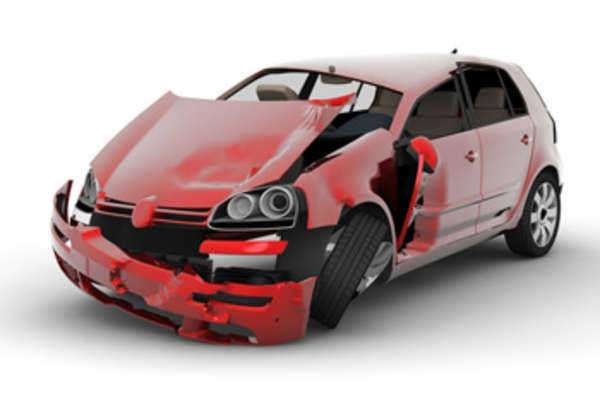
DUI Driving while under the influence (a DUI offense) is amongst the most common causes of personal injury, drunk driving accidents, and automotive-related death. When an individual ingests an illegal drug, alcohol, or a controlled-substance, their ability to safely and legally operate a motor vehicle is impaired.
DUI consequences can include slowed reaction time, drowsiness, lack of alertness, fatigue, and impacted motor skills - drunk driving accidents can be tried as acts of reckless endangerment in additional to DUI offenses. However, in the event that an individual causes personal injury or death as a result of a DUI offense, a vast array of additional convictions will be applicable within the DUI process of sentencing.
Types of Drunk Driving Accidents
The following are examples of the most common Drunk Driving Accidents that may exist in concert with an initial DUI offense with regard to DUI charges involving personal injury or death:
Sudden Death: A sudden death claim is a construct within a fatal drunk driving accident, which can convey that the injuries sustained by the participation in a drunk driving collision were directly responsible for the fatality associated with the DUI offense
Eventual Death: In the event of a fatal drunk driving accident, the DUI conviction in question must be proven to be directly contributory to the subsequent death of any or all individuals involved in a drunk driving accident
Vehicular Manslaughter: The DUI process of conviction defines Involuntary Manslaughter resulting from a drunk driving accident as a type of manslaughter resulting in an individual’s wrongful – or untimely - death as a result of the events that had taken place resulting from a DUI or DWI; although Vehicular Manslaughter may retain a lack of intent within a DUI-incited death, culpability on the part of the individual presenting a DUI defense exists – punitive recourse suggested by the victim’s family will typically fashion sentencing
Aggravated DUI Manslaughter: In the event of DUI cases resulting in the death of an individual, the death may be charged as aggravated DUI Manslaughter; this type of DUI charge will typically be reliant on the blood alcohol content level, in addition to any prior criminal history illustrating multiple DUI charges – legal consultation with a DUI attorney with regard to DUI convictions that result in any form of personal injury, damage, or death is encouraged
Blood Alcohol Content (BAC): In a legal spectrum, blood alcohol content is defined as the amount of alcohol that is present within an individual at the time of the investigation with regard to Drunk Driving Accidents; the content of alcohol in correlation to its prominence in the bloodstream of an individual illustrates this physiological analysis – the investigation of blood alcohol content allows law enforcement agents to gauge the level of intoxication displayed by an individual at the time of a Drunk Driving Accident.
Due to the fact that the presence of alcohol – as well as illegal drugs and controlled-substances - can be monitored through this type of medical analysis, this provides for the substantiation of a presumed state of intoxication that is considered to be admissible in a trial; however, this admissibility is contingent upon the process of the collection of evidence is done in a fashion that is congruent with any or all expressed legal stipulations and parameters.