Tennessee Traffic Fines
📅 2026 Update: Recent Changes in DUI Laws
Since the original article was written, there have been important updates to DUI laws in various states, including Tennessee. These changes can affect penalties, license revocation periods, and requirements for ignition interlock devices. The earlier article below provides more details on the topic.
🚦 Tennessee's License Revocation Changes
As of January 1, 2026, Tennessee increased the court-ordered license revocation period for a first implied consent violation from one year to one year and six months. This change means that first-time offenders will face a longer period without driving privileges.
📜 New DUI Laws Across the Nation
Several states have enacted new DUI laws that impact penalties and procedures. For example, in California, "Braun's Law" was signed into law on September 25, 2026, increasing penalties for repeat offenders. Similar measures have been taken in other states, showing a trend toward stricter DUI regulations.
🔒 Ignition Interlock Requirements
Missouri has new mandates effective August 28, 2026, that require ignition interlock devices for first-time DUI offenders with a BAC of 0.15% or higher or those whose offenses caused property damage or personal injury. This is part of a broader effort to prevent repeat offenses.
🕒 Lookback Period Adjustments
Kansas adjusted its DUI laws in 2022 by introducing a ten-year lookback period for prior offenses. This means that previous DUI convictions will now count for longer when determining penalties for new offenses, affecting sentencing outcomes significantly.
📌 Key Points Summary
- Tennessee's license revocation for first implied consent violations is now 1.5 years.
- Stricter penalties are being applied nationally, including in California and West Virginia.
- Missouri mandates ignition interlock devices for certain first-time offenders.
- Kansas has a 10-year lookback period for DUI offenses.
- These changes reflect a nationwide trend toward harsher DUI penalties.
💡 Tips for Navigating DUI Laws
Reviewing your situation with an attorney is essential to understand your options and obligations.
🚗 Understand License Revocation Periods
Be aware of how long your license may be revoked following a DUI conviction. In Tennessee, the revocation period for a first implied consent violation is now 1.5 years.
📅 Check for Changes in DUI Laws
Stay informed about any changes in DUI laws in your state. Laws can shift frequently, and knowing the latest can help you navigate your situation better.
🔒 Know Ignition Interlock Device Rules
If you are required to install an ignition interlock device, understand the specific requirements. In Missouri, first-time offenders with a high BAC or those causing injury must have one installed.
🔍 Review Lookback Periods
Understand how lookback periods affect your DUI charges. In states like Kansas, past offenses can impact sentencing for new charges, so knowing your history is crucial.
📞 Seek Support Resources
Utilize free resources available in your area. Organizations can offer guidance and support for those navigating DUI consequences.
📋 Be Aware of Fees and Costs
DUI penalties can include significant fees. Understanding these costs, including potential fines and device installation fees, can prepare you financially for the repercussions of a DUI offense.
🏆 Free Options Ranked by User Reviews (2026)
No paid services reached the necessary review threshold for this topic. Instead, this section lists free government and nonprofit resources that can help individuals impacted by DUI laws.
🥇 1. Pennsylvania DUI Association
The Pennsylvania DUI Association provides resources and support for individuals affected by DUI offenses. They focus on education and prevention, helping those struggling with alcohol and substance issues.
🥈 2. Utah Department of Public Safety
The Utah Department of Public Safety offers information and resources to help individuals plan for a sober ride and avoid DUI offenses. Their programs aim to raise awareness about the dangers of impaired driving.
🥉 3. Kansas Department of Revenue
The Kansas Department of Revenue provides guidance on DUI laws and the application process for restricted driving privileges. They help individuals understand their rights and the steps to take following a DUI.
4️⃣ Missouri Department of Revenue
The Missouri Department of Revenue assists individuals needing to apply for restricted driving privileges during license suspensions. They provide necessary forms and information on the application process.
5️⃣ Tennessee Department of Safety and Homeland Security
The Tennessee Department of Safety and Homeland Security offers resources related to DUI laws and penalties. They provide information on license revocation, reinstatement processes, and other related concerns.
🔎 What to Check Before Paying for Help
- 🔍 Verify the credentials of any organization offering assistance.
- 💵 Assess the costs versus the free resources available.
- 📅 Check for local support programs in your area.
- 📞 Contact organizations directly to understand their services.
❓ Frequently Asked Questions
❓ What is the new license revocation period in Tennessee?
The license revocation period for a first implied consent violation in Tennessee is now one year and six months.
🕒 How do lookback periods affect DUI sentencing?
Lookback periods, like Kansas's ten-year rule, mean that prior DUI convictions can impact penalties for new offenses, leading to harsher sentences.
🔒 Are ignition interlock devices mandatory for all DUI offenders?
No, ignition interlock devices are not required for all offenders. In Missouri, they are mandated for first-time offenders with a BAC of 0.15% or higher or those causing injury.
📜 What are the recent DUI penalties in California?
California has increased penalties for repeat DUI offenders under "Braun's Law," signed on September 25, 2026. This includes longer license revocations.
🚗 Can I apply for restricted driving privileges?
Yes, individuals may apply for restricted driving privileges during a suspension, but they must follow specific procedures set by their state’s Department of Revenue.
📅 Where can I find support for DUI related issues?
Free resources like the Pennsylvania DUI Association and the Utah Department of Public Safety provide support and information for those affected by DUI laws.
⚖️ Recent Cases Related to DUI Laws
Recent court rulings have focused on DUI laws and penalties, impacting how cases are handled in various states. These rulings reflect the ongoing changes in DUI legislation and enforcement.
- Hawaii Court Reverses Compliance Hearing for DUI CaseHawaii Intermediate Court of Appeals · June 3, 2026
- Hawaii court rules on compliance hearings in DUI casesHawaii Intermediate Court of Appeals · June 3, 2026
- New York court affirms DWI conviction of Daniel CamannAppellate Division of the Supreme Court of the State of New York · June 5, 2026
- Hawaii Court Reverses Compliance Hearings for DUI CaseHawaii Intermediate Court of Appeals · June 10, 2026
For more information, browse more rulings on the news page.
End of October 2026 Update
Tennessee Traffic Law
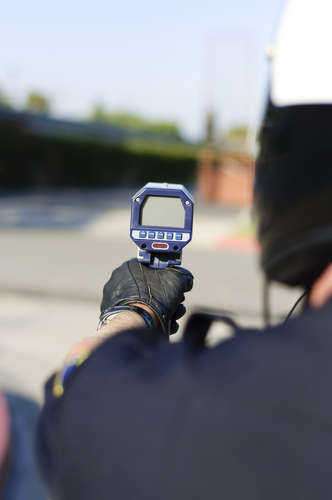
Tennessee Traffic Fines detailed laws concerning the operation of vehicles and other rules of the road. Most Tennessee Traffic Fines fall under a Class C misdemeanor, but some violations do stand as Class B and Class C violations.
Criminal Penalty
The fines vary according to the degree of misdemeanor. In Tennessee, the following penalties are associated with different misdemeanors:
Class A TN Traffic Fines
Up to 11 and a half months of incarceration and fine of $1,500
Class B in TN Traffic Fines
Up to six months of incarceration and fine of $500
Class C in TN Traffic Fines
Up to 30 days in jail and fine of $50
Tennessee Point System
Tennessee traffic fines come with different degrees of points. If you acquire 12 points in any one-year period, you may lose you license. The following lists of violations are mostly Class C violations and come with distinct point values:
1)Speeding- 1 to 5 over equals 1 point; 6 to 15 over equals 3 points; 16 to 25 over equals 4 points; 26 to 35 over equals 5 points; 36 to 45 over equals 6 points, 46 or over equals 8 points. Point increase if speeding in construction zone.
2)Operating without license- if your license is suspended, you will receive at least 8 points and the crime is a Class B Misdemeanor
3)Operating special vehicle without require license- 8 points regardless if your license is suspended or not
4)Driving While Impaired- up to 8 points
5)Reckless endangerment- at least 8 points
6)Passing school bus taking or letting off passenger- at least 6 points
7)Fleeing Law Enforcement- at least 6 points
8)Leaving Scene of Accident with property damage only- up to 5 points
9)Failure to Obey Traffic Signs or Control Devices- up to 4 points
10)Improper Passing and Passing where Prohibited- up to 4 points
11)Driving the wrong way or on wrong side of the road- up to 4 points
12)Failure of Right of Way- up to 4 points
13)Careless of Negligent Driving- up to 4 points
14)Violation of Bumper Law- up to 4 points
15)Following Improperly- up to 3 points
16)Making Improper Turn- up to 3 points
17)Driving Under Posted Minimum Speed- up to 3 points
18)Failure to Maintain Change of Vehicle Direction- up to 2 points
19)Failure to Maintain Control- up to 3 points
20)Unlawfully Following Emergency Vehicles- at least 2 points
21)Failure to Report Accident- at least 4 points
22)Contributing to an Accident Causing Death- at least 8 points
23)Contributing to an Accident Causing Injury- at least 4 points
The Tennessee traffic fines listed above are not a complete list of all traffic violations within the state. If you want a complete and detailed list of all Tennessee traffic fines, you should visit the state’s official judiciary website and official DMV website.
Additionally, you always have the right to appeal a traffic fine in the state of Tennessee. There are usually costs associated to court costs, but you may be able to reduce the number of points on your license.