A Full Guide to the DMV
📅 2026 Update: Changes in DUI and DWI Laws
Since the original article was published, several important changes have occurred in DUI and DWI laws across the United States. These updates affect penalties, ignition interlock device (IID) requirements, and legal processes in various states. The earlier article continues below, providing a comprehensive guide to understanding DUI and DWI laws.
🚦 California Ignition Interlock Device (IID) Extension
Starting January 1, 2026, California extended its IID requirements until January 1, 2033. This law mandates that all repeat DUI offenders and those convicted of DUI causing injury must install an IID in their vehicles. This change aims to enhance road safety by preventing repeat offenses.
⏳ Kansas DUI Lookback Period
As of 2022, Kansas has a ten-year lookback period for prior DUI convictions. This means that any previous DUI convictions within this period will affect sentencing for new offenses. This change may lead to stricter penalties for repeat offenders.
⏱️ Washington State DUI Felony Lookback
Beginning January 1, 2026, Washington State will increase its felony DUI lookback period from 10 to 15 years. This change impacts how subsequent offenses are classified and can lead to more severe consequences for repeat offenders.
🚗 North Carolina Pretrial IID Mitigation
Effective December 1, 2025, North Carolina introduced a provision allowing voluntary installation of an IID within 45 days of a DUI charge. If offenders comply, this can be considered a mitigating factor during sentencing, potentially leading to lighter penalties.
📅 Tennessee Implied Consent Violation Revocation
Starting January 1, 2026, Tennessee has increased the revocation period for a first implied consent violation from 1 year to 1 year and 6 months. This change can affect individuals who refuse to submit to chemical testing during DUI investigations.
📌 Key Points Summary
- 🚦 California extended IID requirements for repeat offenders through 2033.
- ⏳ Kansas has a ten-year lookback period for DUI convictions.
- ⏱️ Washington increased its felony DUI lookback period to 15 years.
- 🚗 North Carolina allows IID installation as a mitigating factor during sentencing.
- 📅 Tennessee has increased the revocation period for implied consent violations.
💡 Tips for Navigating DUI Laws
Review the specifics of your situation with your attorney to understand how these laws apply to you.
📝 Understand IID Requirements
In California, repeat DUI offenders must install an IID for a specified period. Be aware of the requirements in your state, as they vary significantly.
🗓️ Know Lookback Periods
Each state has a different lookback period for prior DUI convictions. Knowing the duration can help you understand potential penalties for new offenses.
⚖️ Explore Mitigation Options
In states like North Carolina, taking proactive steps, such as installing an IID early, can lead to more favorable sentencing outcomes. Always consider available options before your court date.
💰 Budget for Fees
DUI-related costs can add up quickly. For example, California DUI program costs range from $500 to $700 for first-time offenders. Additionally, towing and impound fees can range from $150 to over $500.
📄 Prepare for Paperwork
Ensure you complete all necessary forms for license restoration or program enrollment. In Pennsylvania, specific forms must be submitted to restore driving privileges following a DUI charge.
⏳ Be Mindful of Deadlines
Each state has deadlines for requesting license hearings and enrolling in DUI programs. Missing these deadlines can lead to additional penalties or longer license suspensions.
🏆 Ranked by User Reviews (2026)
This section covers services related to legal support for DUI and DWI cases. The listing is based on Trustpilot data as of October 2026. Ratings can change over time, and star ratings may not represent all customer experiences as unhappy customers often leave more reviews.
🥇 1. LegalShield
LegalShield holds a Trustpilot score of 4.5. It is known for providing legal service memberships and access to legal advice, making it relevant for those facing DUI charges. However, some users report issues with customer service responsiveness, which may affect their overall experience.
🆓 Free Government or Nonprofit Help
DUI911.org offers free, independent help for DUI or DWI arrests. Their resources include state-specific guides and information on deadlines and license protection. LegalClarity.org also provides comprehensive information on DUI laws, penalties, and procedures across various states.
🔎 What to Compare When Choosing Services
- 📊 Trustpilot ratings and review counts.
- 🏷️ Types of legal services offered.
- ⚙️ Customer service responsiveness.
- 📅 Availability of resources and guides.
- 💰 Cost of services and potential hidden fees.
❓ Frequently Asked Questions
❓ What is the IID requirement in California?
In California, repeat DUI offenders must install an Ignition Interlock Device (IID) for a designated period, which has been extended through 2033.
⏳ How long is the lookback period for DUIs in Kansas?
Kansas has implemented a ten-year lookback period for prior DUI convictions, which can influence sentencing for new offenses.
🚦 What is the penalty for implied consent violations in Tennessee?
Starting January 1, 2026, Tennessee has increased the revocation period for a first implied consent violation from 1 year to 1 year and 6 months.
📄 How do I restore my license after a DUI?
Restoring your license typically requires completing specific forms, such as the ARD application and others, depending on your state's requirements.
💰 What are common costs associated with a DUI?
Costs can include DUI program fees, which range from $500 to $700 in California, and towing fees, which may exceed $500 depending on the jurisdiction.
🚗 How can I mitigate penalties after a DUI charge?
In some states, like North Carolina, voluntarily installing an IID early can be considered a mitigating factor during sentencing, potentially leading to lighter penalties.
⚖️ Recent Cases Related to DUI and DWI
Recent court rulings have clarified and updated various aspects of DUI and DWI laws, reflecting changes in penalties, IID requirements, and other legal processes.
- New Jersey court affirms DWI conviction but vacates sentenceNew Jersey Superior Court Appellate Division · April 25, 2022
- New York court upholds conviction for aggravated DUI with childAppellate Division of the Supreme Court of the State of New York · May 27, 2026
- New York court rules on evidence suppression in DUI caseAppellate Division of the Supreme Court of the State of New York · May 13, 2026
- North Carolina Court Rules on Dade's Driving While Impaired CaseCourt of Appeals of North Carolina · June 3, 2026
For more recent rulings, check the news section.
End of October 2026 Update
A Department of Motor Vehicles, more commonly called the DMV is a government agency on the state level found in every state of the United States This agency administers driver licensing and vehicle registration for individuals. The term DMV is used in most but not all states. Furthermore, every state does not necessarily assign the same traditional functions to their respective DMV. However, the term is national understood to be the agency responsible for driver’s license issuance and renewal.
Function of the DMV
Depending on the State, the DMV can provide many difference services. However, the more general services are provided on a national level.
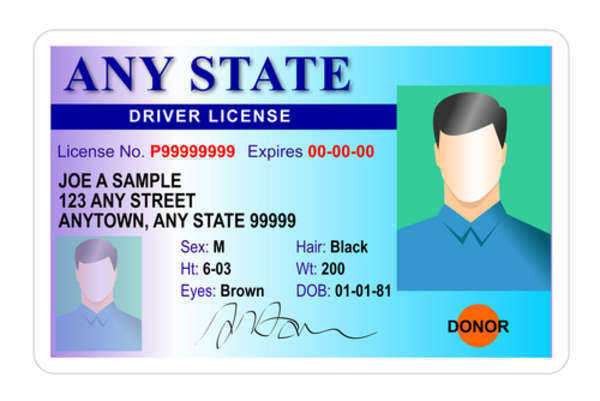
Driver's licenses and Identification Cards
Unlike countries that national identification card, the United States uses driver's licenses unofficially as the de facto national identification card for a variety of purposes, effectively making DMVs the responsible agency for verifying an individual’s identity in the DMV’s respective states. Individuals who do not have a driver’s license can also receive identification cards that provide the same proof of identity at their local DMV as well. Depending on the state, there may be restrictions on who can obtain this card.
Driver Certification
In certain states, DMVs are in charge of regulating private driving schools as well as the instructors of these schools. These responsibilities are in addition to conducting hands on and written driving tests.
Vehicle Registration
In the United States, DMVs are the responsible agency for providing identification numbers for motor vehicles, either through a temporary tag or a permanent vehicle registration plate. The vehicle registration program that the DMV uses helps give detailed vehicle information about a vehicle. This information can be used to prevent automotive related crimes. For example, by keeping track of a car’s odometer history, the DMV helps prevent the crime of odometer fraud.
Often, a DMV will allow third parties to issue certain registration materials. These can include businesses that concentrate on paperwork regarding processing registration applications or car dealers. These parties are given direct access to the DMV systems. Dealers are often given permission to use their respective state’s electronic vehicle registration program.
Vehicle Ownership
A state’s DMV typically handles an automobile’s certification through the issuance of a vehicle title. The types of vehicles that can be certified by a DMV vary by state. Almost all DMV agencies title motor vehicles that are used on roadways. However, the DMV is not always responsible for titling mobile homes, boats, or other off-road vehicles. Often, these vehicles are titled through other agencies, for example, the Department of Natural Resources.
Since the DMV is the responsible agency for issuing vehicle titles, they are also often responsible for keeping a track of liens made that use an automobile as collateral for a secured loan. Many DMVs provide forms for Electronic Lien and Title programs.
Law Enforcement (DUI etc..)
One of the most important responsibilities of the DMV is to enforce both state and federal laws that pertain to motor vehicles. Often, a state’s DMV will have sworn law enforcement officials who work to enforce DMV regulated as states in the respective state’s laws. Examples of policies enforced by these officers include cases involving fraudulent license plates, registrations, or thefts of legitimate ones.
These officers can also inspect independent inspections stations that are licensed by the state’s DMV. Sometimes, these inspection stations will violate regulations that are codified by the law. An example of this is allowing a vehicle to pass inspection despite having windows that are tinted below the legal limits as discussed by the state laws. These stations can be penalized with a fine of $1,000 for a first offense and suspension of the station’s inspection permit for 30 days. More serious consequences such are permanent revocation of the inspection permit is possible for repeat offenders.
In comparison to standard law enforcement officers, law enforcement agents of the DMV operate with more flexibility when using their specific police powers. Unlike a citizen’s constitutional right to not meet or speak with a sworn law enforcement officer when under investigation, there is no equivalent right protecting an individual’s motor vehicle registration. Another example includes the consequences of refusing to take a test to determine an individual’s blood alcohol content. Even if evidence cannot sufficiently find that a person was impaired due to alcohol, a DMV can take a person’s driving privileges due to refusing to take a sobriety exam.
Miscellaneous Responsibilities of the DMV
Depending on the DMV, the responsibilities of the agency can extend beyond these and include the following:
Registering an individual as an organ donor
Issuing voter registration cards
Issuing, renewing, replacing, or expediting passports
Issuing passport cards or enhanced driver’s licenses
Issuing international driver’s licenses
Important Forms and Publications from the DMV
Although the forms and publications vary from state to state, all DMVs provide important materials that drivers should take advantage of when necessary. Some of the
publications include:
Driver’s manuals: All states within the United States publish driver’s manuals to help teach new prospective drivers the rules of driving the road.
Driver’s handbooks: Driver’s handbooks are published by the DMV to help discuss the rules and regulations of the state.
Vehicle Code: Each individual state has a collection of laws relevant to that state that are typically called the traffic code or vehicle code. These codes can often be found through a local DMV.
Bill of Sale: Many states provide a State specific official bill of sale form. These forms can be found through the DMV or can be downloaded online for free.
Forms: Each DMV has specific forms that often state specific and can be obtained either in person or downloaded online. Typical forms include:
Crash report forms
Driver record requests
Driving school enrollment forms
Forms for replacement, renewal, or duplicate licenses
Title forms
Registration forms
Liability insurance forms
CDL forms
Certificate of vehicle inspections
Various medical-related forms such as disabled plates
Change of address