West Virginia Traffic Fines
📅 2026 Update: Recent Changes in West Virginia Traffic Fines and DUI Laws
Since the original article was published, significant changes have occurred in West Virginia and other states regarding DUI laws and penalties. These updates reflect a growing effort to enhance road safety and address repeat offenses. The earlier article continues further down the page for more foundational information.
🚦 Recent Legislative Changes
On May 8, 2026, West Virginia Governor Patrick Morrisey signed "Baylea's Law" (House Bill 4712). This law increases penalties for DUI offenses that result in death. Offenders now face mandatory prison sentences ranging from 5 to 30 years and could lose their driver's license for life.
This change emphasizes the serious consequences of driving under the influence.
⚖️ Changes in Penalties for Repeat Offenders
Other states are also tightening their DUI laws. For example, California's "Braun's Law" (SB 907), signed on September 25, 2026, increases penalties for repeat offenders. These changes aim to discourage repeat offenses and improve public safety on the roads.
🔒 Ignition Interlock Device Requirements
In Missouri, as of August 28, 2026, first-time DUI offenders with a BAC of 0.15% or higher are now required to install ignition interlock devices. This device prevents a vehicle from starting if the driver’s BAC is above the legal limit. Similar measures are being implemented in other states as well.
📅 Lookback Period Adjustments
Kansas has introduced a ten-year lookback period for prior DUI convictions through House Bill 2377. This means that any DUI offenses committed within this timeframe will impact sentencing for new offenses. This change is designed to hold repeat offenders accountable for their past actions.
📌 Key Points
- 🏛️ West Virginia's "Baylea's Law" increases penalties for DUI resulting in death.
- 🔁 California and other states are ramping up penalties for repeat DUI offenders.
- 🚗 Missouri mandates ignition interlock devices for certain first-time offenders.
- ⏳ Kansas has a ten-year lookback period for prior DUI offenses.
- ⚠️ Stricter DUI laws aim to enhance road safety and reduce repeat offenses.
💡 Practical Tips for Understanding DUI Laws
Review the details of your situation with your attorney to understand how current laws may affect you.
📋 Know the Penalties
Understand that DUI penalties can vary greatly from state to state. In West Virginia, penalties for DUI resulting in death can include 5 to 30 years in prison and lifetime license revocation. Stay informed about the specific consequences in your state.
🚨 Understand Ignition Interlock Devices
If you face DUI charges, be aware that you may need to install an ignition interlock device. In Missouri, first-time offenders with a BAC of 0.15% or higher must comply. This requirement helps reduce the risk of repeat offenses.
🔍 Review Lookback Periods
When charged with DUI, know that states like Kansas have a ten-year lookback period for prior offenses. This means your past DUI convictions can influence your current case, leading to harsher penalties.
🕒 Keep Track of Deadlines
If applying for restricted driving privileges, be mindful of deadlines. In Missouri, you must submit your application promptly to avoid delays. Each case may have different deadlines based on individual circumstances.
📞 Seek Free Resources
Consider reaching out to nonprofit organizations for support. Resources like the Pennsylvania DUI Association offer assistance to individuals affected by DUI offenses. These organizations can provide guidance and help you navigate legal challenges.
🏆 Free Options Ranked by User Reviews (2026)
No national paid service in this area met the review threshold for this topic. Instead, several free government and nonprofit resources can help individuals dealing with DUI issues.
🥇 1. Pennsylvania DUI Association
The Pennsylvania DUI Association provides resources and support for individuals impacted by DUI offenses. They offer information on legal options, treatment programs, and educational resources aimed at preventing future incidents.
🥈 2. Utah Department of Public Safety
The Utah Department of Public Safety offers valuable information to help individuals plan for a sober ride. Their resources aim to prevent DUI offenses, providing information on transportation alternatives and community programs.
🥉 3. Missouri Department of Revenue
The Missouri Department of Revenue assists individuals seeking restricted driving privileges during suspensions. They provide necessary forms and guidelines to help navigate the application process efficiently.
4️⃣ Kansas Department of Revenue
The Kansas Department of Revenue has resources available for those impacted by DUI laws. They provide information about new laws, penalties, and the application process for restricted driving privileges during license suspensions.
🔎 What to Check Before Paying for Help
- 💰 Compare costs and services offered by different organizations.
- 📞 Verify the credibility of the organization providing assistance.
- 📚 Check if they have up-to-date information on DUI laws.
- 📝 Look for reviews or testimonials from previous clients.
❓ Frequently Asked Questions
🚗 What are the penalties for a first DUI offense in West Virginia?
In West Virginia, a first DUI offense can lead to fines, license suspension, and potential jail time. Specific penalties can vary based on the circumstances of the offense.
📅 How does the lookback period affect sentencing?
The lookback period refers to the time frame in which prior DUI offenses are considered during sentencing. For example, Kansas has a ten-year lookback period for counting prior offenses.
🔒 What is an ignition interlock device?
An ignition interlock device is a breathalyzer installed in a vehicle. It prevents the vehicle from starting if the driver's BAC is above a certain limit, often used for DUI offenders.
⚖️ Can I apply for restricted driving privileges after a DUI?
Yes, in some states, individuals can apply for restricted driving privileges during a suspension. The process and eligibility requirements vary by state.
🚨 How can I find support after a DUI charge?
Nonprofit organizations like the Pennsylvania DUI Association offer resources and support for those affected by DUI charges. They can provide guidance and access to treatment options.
🏛️ What recent laws affect DUI penalties?
Recent laws in states like West Virginia and California have increased penalties for DUI offenses. These laws aim to deter repeat offenses and enhance public safety on the roads.
⚖️ Recent Cases Related to DUI Laws
Recent court rulings have clarified various aspects of DUI laws and penalties, reflecting ongoing changes in legislation. These cases often influence how DUI offenses are prosecuted and the severity of penalties imposed.
- California court upholds DUI convictions in Yanez caseCalifornia Court of Appeal · July 10, 2026
- Ohio Court of Appeals Reverses DUI Conviction in Mele CaseOhio Court of Appeals · July 2, 2026
- Utah Court Affirms Conviction in Fatal DUI Crash CaseCourt of Appeals of Utah · July 30, 2026
- Ohio court upholds DUI conviction in State v. Wesley caseOhio Court of Appeals · August 25, 2026
For more recent rulings, you can browse more rulings on the news page.
End of October 2026 Update
West Virginia Traffic Law
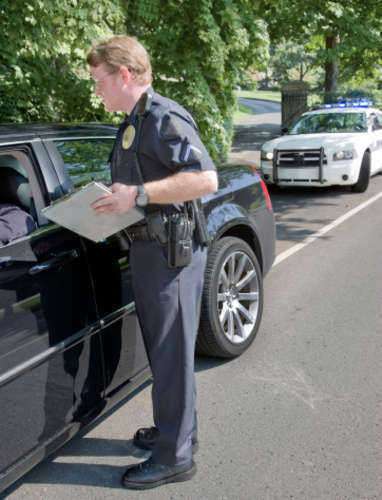
West Virginia traffic fines compare closely to nearby states like Virginia. WV traffic fine are commonly perceived as heavy, and the number of points associated with different kinds of violations can put many drivers in danger of losing their license. Additionally, West Virginia traffic fines greatly vary in number because the amount is influenced by the number of points you receive, the manner and conditions in which you were driving, and the area you were driving. As in any other state, you have the right to appeal a WV traffic fine and stand before a judge.
Point System
Most West Virginia traffic fines come with points as well. If your points accumulate too fast within a given time period, you may have your license suspended. Accordingly, if you acquire 12 to 13 points in 30 days, 14-15 points in 45 days, 16-17 points in 60 days, 18-19 points in 90 days, or simply 20+ points overall, your license will most likely be suspended. The following contains different violations with different degrees of points. This is not a complete list, but it covers most of the offenses listed on the government transportation website of West Virginia:
•Fleeing a police officer- 8 points
•Hit and Run/Leaving the scene- 6 points
•Speeding in a school zone- 6 points
•Reckless driving- 6 points
•Speeding 15 mile per hour or more above speed limit- 5 points
•Lane violations- 3 points
•Speeding 10 to 14 miles per hour over speed limit- 3 points
•Driving wrong way on one-way street- 3 points
•Driving too fast for conditions- 3 points
•Failure to yield in any condition- 3 points
•Failure to obey traffic light or sign- 3 points
•Failure to observe safety zone- 3 points
•Careless driving- 3 points
•Passing violations- 3 points
•Littering- 3 points
•Improper turning/backing- 2 points
•Traveling to slow- 2 points
•Improper entering onto highway- 2 points
•Improper lights- 2 points
•Following too closely- 2 points
•Not using signals- 2 points
•More than three passengers in front seat- 2 points
•Speeding 5 to 9 miles per hour over speed limit
•Failure to possess license- 2 points
•Joyriding- 2 points
Fines
West Virginia traffic fines vary greatly depending on the offense, and some limits for WV traffic fines are not specified by government websites. Below is a list of more West Virginia traffic fines:
1)Speeding- 1st offense no more than $100, 2nd offense within a year no more than $200, 3rd offense within two years no more than $500
2)Speeding in school zone- $100 to $500
3)Speeding in construction zone- no more than $200
4)Racing on highway- 1st offense no more than $50 to $100, 2nd offense no more than $50 to $500, subsequent offense from $100 to $1,000 1st offense doesn’t carry imprisonment, but the 2nd offense carries imprisonment up to 60 days and more offenses carry imprisonment up to 4 months