Traffic Fines
📅 2026 Update: Changes to DUI Laws and Penalties
Since the original article was written, several states have updated their DUI laws, impacting penalties and procedures. These changes aim to strengthen the enforcement of DUI regulations and increase safety on the roads. The original article continues further down the page, providing a comprehensive overview of DUI laws.
🚦 California's Stronger DUI Laws
On September 25, 2026, California passed "Braun's Law" (SB 907). This law increases penalties for repeat offenders and extends license revocations. Offenders now face tougher consequences for repeated violations, showing the state's commitment to reducing impaired driving.
📜 Kansas DUI Law Overhaul
Kansas made significant changes to its DUI laws starting in 2022. House Bill 2377 introduced a ten-year lookback period for previous offenses. This means that earlier DUIs will affect sentencing for a new offense for a longer time.
Additional ignition interlock device requirements are in place, making it harder for offenders to drive without restrictions.
⚖️ West Virginia's Penalties for Fatal DUIs
West Virginia also strengthened its DUI laws with "Baylea's Law" (House Bill 4712), signed on May 8, 2026. This law increases penalties for DUI offenses that result in death. Offenders now face mandatory prison sentences of 5 to 30 years, along with a lifetime driver's license revocation.
🔑 Missouri's New Ignition Interlock Mandate
Starting August 28, 2026, Missouri's HB 1740 requires first-time DUI offenders with a BAC of 0.15% or higher to install ignition interlock devices. This law also applies to those whose offenses caused property damage or personal injury. The goal is to prevent repeat offenses and improve road safety.
🕒 Tennessee's Extended License Revocation
As of January 1, 2026, Tennessee increased the license revocation period for a first implied consent violation. Offenders now face a revocation period of one year and six months. This change reflects a stricter stance on impaired driving and aims to deter violations.
📌 Key Points to Remember
- 🚦 California has tougher penalties for repeat DUI offenders.
- 📜 Kansas introduced a ten-year lookback for prior DUI offenses.
- ⚖️ West Virginia increased prison time for fatal DUIs.
- 🔑 Missouri mandates ignition interlocks for high BAC first-time offenders.
- 🕒 Tennessee extended license revocation for implied consent violations.
💡 Tips for Navigating DUI Laws
Review the details of your situation with your attorney.
🛡️ Know Your State's Laws
Each state has different DUI laws and penalties. Make sure you understand the specific laws in your state, as they can significantly affect your case.
⏰ Keep Track of Deadlines
In Missouri, it's important to submit applications for restricted driving privileges promptly. Missing deadlines can lead to delays in regaining your driving rights.
🔍 Understand Lookback Periods
States like Kansas now have a ten-year lookback period for DUI offenses. This means past offenses will impact your current sentencing, making it crucial to know your DUI history.
🔑 Install Ignition Interlocks If Required
In Missouri, if you have a high BAC or caused harm, you must install an ignition interlock device. This device prevents your vehicle from starting if alcohol is detected.
📋 Check for Free Resources
Utilize government and nonprofit resources that offer support for individuals facing DUI charges. Organizations like the Pennsylvania DUI Association can provide valuable information.
📞 Contact the Right Authorities
For questions about restricted driving privileges in Missouri, contact the Department of Revenue directly. They can provide the most current processing times and requirements.
🏆 Free Options Ranked by User Reviews (2026)
No national paid service in this area met the review threshold, so this section lists free government and nonprofit resources available for individuals affected by DUI offenses.
🥇 1. Pennsylvania DUI Association
The Pennsylvania DUI Association provides resources and support for those affected by DUI offenses. They offer educational materials, community programs, and assistance for navigating legal challenges.
🥈 2. Utah Department of Public Safety
The Utah Department of Public Safety helps individuals plan for sober rides to avoid DUI offenses. They provide information on safe transportation options and educational resources for the public.
🥉 3. Missouri Department of Revenue
The Missouri Department of Revenue assists individuals in applying for restricted driving privileges during suspensions. They provide the necessary forms and guidelines, ensuring that applicants understand the process.
4️⃣ Kansas Department of Transportation
The Kansas Department of Transportation offers resources related to DUI laws and penalties. They help individuals understand the implications of DUI offenses and the steps to take post-conviction.
5️⃣ Washington Traffic Safety Commission
The Washington Traffic Safety Commission focuses on reducing impaired driving through public awareness campaigns. They provide resources to educate the public on the dangers of DUI and promote safe driving habits.
🔎 What to Check Before Paying for Help
- 📄 Ensure the organization is nonprofit or government-run.
- 🔍 Verify the support they offer matches your needs.
- 🗓️ Confirm their services are current and relevant to your state.
- 💬 Read reviews or testimonials from others who used their services.
❓ Frequently Asked Questions
🚗 What are the new penalties for DUI in California?
California's "Braun's Law" increases penalties for repeat DUI offenders. The law also extends the duration of license revocations.
📜 How does the ten-year lookback period work in Kansas?
Kansas uses a ten-year lookback period to consider prior DUI offenses when sentencing a new DUI charge. This means past offenses significantly impact current penalties.
⚖️ What are the consequences of a DUI resulting in death in West Virginia?
West Virginia imposes mandatory prison sentences of 5 to 30 years for DUI offenses that result in death. Offenders also face a lifetime license revocation.
🔑 What should first-time offenders in Missouri know?
First-time DUI offenders in Missouri with a BAC of 0.15% or higher must install ignition interlock devices. This requirement aims to prevent future offenses.
🕒 How long is the license revocation period in Tennessee?
Tennessee has increased the license revocation period for first implied consent violations to one year and six months. This applies to individuals who refuse to take a breath test.
🌍 Are there resources for those affected by DUI charges?
Yes, organizations like the Pennsylvania DUI Association and the Utah Department of Public Safety offer resources and support for individuals facing DUI charges.
⚖️ Recent Cases Impacting DUI Laws
Recent court rulings have clarified how DUI laws are enforced and interpreted across various states. These rulings reflect changes in legal standards and penalties related to DUI offenses.
- Court orders hearing in DUI case against Melanie OrtizThe Criminal Court of the City of New York, New York · March 30, 2026
- Court rules on discovery compliance in DUI case against CarreraThe Criminal Court of the City of New York, New York · March 19, 2026
- Court rules on compliance certificate in DWI case against PerezThe Criminal Court of the City of New York, Kings · March 18, 2026
- Court denies motion to dismiss DUI case against Vincent YoungThe Criminal Court of the City of New York, Kings · March 14, 2026
For more recent rulings, check out more rulings on the news page.
End of October 2026 Update
Guide to Traffic Fines in the United States
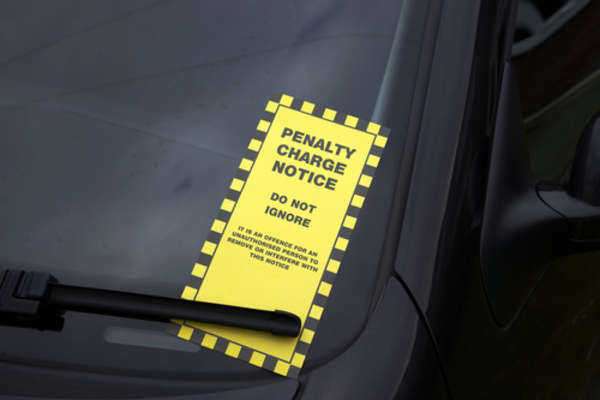
When you are convicted of a traffic offense in the United States, you will most commonly be penalized with a fine. Often, for simple traffic offenses, the fine is the only punishment you will receive and can be paid quite easily online or by mail without ever appearing in court. Even so, traffic fines can be aggravating, and what's more, every state has different fine maximums. This guide will help you to understand traffic fines and some of the typical ranges for traffic fines in the United States.
Speeding Tickets
The most common traffic violation is speeding. Going above the posted speed limits can result in traffic fines that vary significantly depending on how much you exceeded the speed limit by, the municipality you are convicted in, and any aggravating factors like drag racing (which has penalties of its own). Speeding tickets are also more serious if you receive a ticket as a driver with a CDL (commercial driver's license). If you are convicted of speeding by more than 15 miles per hour as a CDL holder, you may be subject to average fines of $300 or more, but first-time speeding traffic fines for most people will average about $200 according to the NHTSA.
Some municipalities are famous as “speed traps,” and if municipalities can set traffic fines in a state, these municipalities may have stiffer sentences for speeding. States like Connecticut [note for editor: link to connecticut traffic fine page once that is written later this week] cap traffic fines at a relatively small amount ($50) for first-time speeders.
Moving Violations
You can be convicted of a moving violation if you do things like illegally pass on the right ($170 average traffic fine) or if you are convicted of an improper turn (usually $50-300). A much more common fine is for running a red light. While in most states, this will cost traffic fines of a few hundred dollars, in Nevada this offense is punishable with a fine of up to $1000.
You should check the penalties with not only your state, but your local jurisdiction if you are facing traffic tickets. Wide variation is possible in different municipalities, even within the same state. Not all information for your local traffic court's fine schedule may be available online, but you can typically phone for information on your local court's fine schedule and what your fine is.
Driving With A Suspended License
Driving with a suspended license is a serious violation that can result in expensive fines. If you are driving with a suspended or revoked license, you could also be convicted of a misdemeanor, which makes you subject not only to higher traffic fines (often up to $1000) but also jail time.
Sometimes, these violations are prosecuted only as a civil infraction, which carries no possibility of jail time. You may wish to consult with a traffic lawyer for advice if you are facing a misdemeanor charge, in order to see if the charge could be downgraded to a civil infraction.