Read This About Other Test Overview
📅 2026 Update: Changes in DUI and DWI Laws
Since the original article was published, there have been important updates in DUI and DWI laws across the United States. These changes impact everything from blood alcohol concentration (BAC) limits to penalties for refusing breathalyzer tests. The earlier article continues further down the page, providing foundational information on these legal topics.
🚦 Utah's BAC Limit Reduction
In 2018, Utah set a new precedent by lowering its legal BAC limit to 0.05%. This makes it the first state to implement this stricter standard. Since then, the National Transportation Safety Board (NTSB) has advocated for all states to adopt a similar limit.
The aim is to improve road safety and reduce alcohol-related accidents.
⚖️ Implied Consent Laws and Refusal Consequences
When you get a driver's license, you agree to submit to chemical testing if arrested for DUI. This is known as implied consent. Refusing a breathalyzer test can lead to automatic license suspension, with penalties varying by state.
This can last from 30 days to two years for a first refusal.
⏰ License Reinstatement Process
The process for getting your driver's license back after suspension due to refusal varies by state. Some states have specific timelines and requirements that must be followed for reinstatement. Knowing these details can help you prepare for the next steps after a DUI incident.
💰 Costs of Ignition Interlock Devices
If you are required to install an Ignition Interlock Device (IID), costs can add up. Installation typically ranges from $70 to $150, and monthly maintenance fees can be between $60 and $100. Understanding these costs in advance can help you plan financially if you face DUI charges.
📌 Key Points Summary
- Utah has a BAC limit of 0.05%.
- Implied consent laws require testing after DUI arrests.
- Refusal to take a breathalyzer can lead to license suspension.
- Costs for IIDs can range from $70 to $150 for installation.
- The reinstatement process varies by state.
💡 Tips for Navigating DUI Laws
Reviewing the details of your situation with your attorney is essential for understanding how the law applies to you.
📝 Understand Implied Consent
Know that by getting a driver's license, you agree to implied consent laws. This means you must submit to chemical testing if arrested for DUI. Understanding this can help you avoid automatic penalties.
🚨 Familiarize Yourself with BAC Limits
Different states have different BAC limits. For example, Utah's is 0.05%, while most states have a limit of 0.08%. Always be aware of your state's laws to avoid legal trouble.
⏳ Know the Penalties for Refusal
If you refuse a breathalyzer test, penalties vary significantly from state to state. Some may suspend your license for just 30 days, while others might impose a suspension lasting up to two years.
💵 Budget for IID Costs
If required to install an IID, be prepared for costs. Installation fees can start at $70, with monthly maintenance fees reaching up to $100. Budgeting for these expenses is wise if facing DUI charges.
📅 Track Reinstatement Requirements
After a license suspension, understand your state's requirements for reinstatement. Each state has different processes and timelines, so knowing what to expect can ease the burden.
🏆 Top Services for DUI and DWI Assistance Ranked by User Reviews (2026)
Various services can assist individuals dealing with DUI and DWI legal matters. These services include legal document preparation and online notarization. The order below follows Trustpilot data as of October 2026, and scores can change over time.
Note that low scores often arise from unhappy customers, which may skew perceptions.
🥇 1. LegalNature
LegalNature has been rated 4.5. It is known for legal document preparation and offers affordable legal forms. Reviewers appreciate its user-friendly platform, but some reported unexpected costs associated with the services.
🥈 2. Notarize
Notarize holds a Trustpilot score of 4.5. The service specializes in online notarization, allowing users to notarize documents 24/7. While many users find it convenient, some have experienced unexpected fees during the process.
🥉 3. Document Genius
Document Genius has received a score of 4.0. It provides easy-to-use tools for creating documents and generating contracts. Users often praise its straightforward interface, yet a few found the tool not suitable for their specific needs.
🆓 Free Government and Nonprofit Help
Government resources like the National Highway Traffic Safety Administration (NHTSA) offer valuable information on DUI laws and penalties. Additionally, state DMV websites provide guidance on driver's license reinstatement procedures.
🔎 What to Compare When Choosing DUI Services
- 🧾 Types of documents offered.
- 💵 Cost of services, including hidden fees.
- 📈 User reviews and overall satisfaction.
- 🕒 Speed of service delivery.
- 💻 Usability of the platform.
❓ Frequently Asked Questions
🚗 What happens if I refuse a breathalyzer test?
Refusing a breathalyzer test usually leads to an automatic license suspension. The duration of this suspension can vary from state to state, typically lasting from 30 days to two years for a first refusal.
⚖️ Can I contest a DUI charge?
Yes, you can contest a DUI charge in court. Factors such as the accuracy of the breathalyzer test and the circumstances of your arrest can play a role in your defense.
🧪 Are breathalyzer tests always accurate?
Breathalyzer tests can be accurate if the device is properly calibrated and operated by a certified individual. However, inaccuracies can arise from various factors, leading to potential legal challenges.
📅 How long does a DUI stay on my record?
The duration a DUI stays on your record varies by state. In general, it can remain for several years, affecting your insurance rates and driving privileges.
🚦 What are the penalties for underage DUI?
Drivers under 21 face zero-tolerance laws, with BAC limits set at 0.02% or lower in all states. Penalties can include fines, license suspension, and mandatory alcohol education programs.
🧑✈️ Can commercial drivers face different DUI penalties?
Yes, commercial drivers must adhere to stricter regulations. They cannot operate vehicles with a BAC of 0.04% or higher, and penalties can be more severe than those for regular drivers.
⚖️ Recent Court Cases Related to DUI and DWI
Recent court rulings have clarified aspects of DUI and DWI laws, impacting how cases are prosecuted and defended. These rulings can affect penalties and the interpretation of laws regarding BAC limits and testing.
- Texas Court overturns ruling on DWI evidence suppressionTexas Court of Appeals, 2nd District (Fort Worth) · June 18, 2026
- Texas Court dismisses DWI appeal involving Joshua HaleTexas Court of Appeals, 10th District (Waco) · June 18, 2026
- Texas Court dismisses DWI appeal by Randall Baugh JohnsTexas Court of Appeals, 7th District (Amarillo) · July 2, 2026
- Iowa court upholds DUI and weapon charges against HolmesCourt of Appeals of Iowa · July 8, 2026
Readers can browse more rulings on the news page for updates on DUI and DWI legal matters.
End of October 2026 Update
Urine
Urine testing is a common method to detect alcohol in a person’s system. It can provide a significantly accurate account of whether or not a person had been drinking in a time frame of 80 hours. The method is commonly used in place of blood testing (or prior to), and instead of a breathalyzer (or in addition to). Urine test results can take some time to come back, and can also be affected by alcohol diluted in the urine itself.
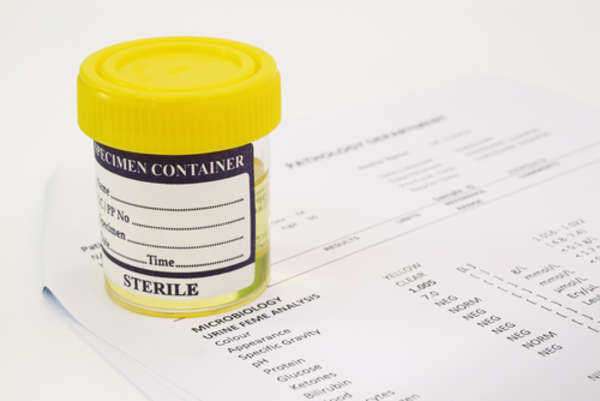
Police officers use urine testing to detect alcohol if an individual has requested it over other methods or if they want to confirm a breathalyzer result even further. They can be taken at a nearby hospital under police supervision, or in a police precinct itself.
Blood
The most reliable and accurate form of alcohol testing is blood alcohol testing. Blood alcohol testing is done by drawing a blood sample from a person’s arm and testing it for alcohol and alcohol components. They are the most effective means for giving a Blood Alcohol Concentration (or Content) level. These tests are performed primarily in DUI related incidents at a local hospital, under the close watch of a police officer.
Most commonly they are used when the DUI offender has caused an accident, and especially when it has resulted in a loss of life. Due to the intrusiveness of this type of testing, and the cost, it is the least commonly used of all forms of alcohol tests. They have also led to a great amount of controversial issues.
Hair
Aside from the most common forms of alcohol testing known to the general public, there is a relatively new method. This method is known as hair testing for alcohol, and it is a somewhat limited method. Alcohol testing using hair sample does not show recent alcohol use but rather long term usage and dependency of alcohol. It can help outline behavioral patterns with alcohol that a person may have had, as well as abstinence from it.
This type of testing provides another method less intrusive to that of blood and urine alcohol testing. The testing itself requires a sample of hair that is about one and a half inches in length, and has the diameter of an average pencil. Hair testing, for those who know of it, is more expensive than urine testing, and commonly used to look at a person’s drinking habits and lack of them.