What Are The State Limit
📅 2026 Update: Key Changes in DUI and DWI Laws
Since the original article was published, there have been important updates to DUI and DWI laws across the United States. These changes affect blood alcohol concentration (BAC) limits, penalties for refusal to take breathalyzer tests, and costs associated with ignition interlock devices. The previous article continues further down the page, providing additional context and details.
🥃 Utah's BAC Limit Reduction
In a significant move, Utah became the first state to lower its legal BAC limit to 0.05% in 2018. This change aims to reduce alcohol-related accidents and improve road safety. Utah's decision reflects a growing trend toward stricter DUI laws, which many states are considering.
🚦 NTSB Recommendations
The National Transportation Safety Board (NTSB) has been advocating since 2013 for all states to adopt a BAC limit of 0.05% or lower. This recommendation highlights ongoing concerns about impaired driving and emphasizes the importance of stricter regulations for the safety of all road users.
💰 Costs of Ignition Interlock Devices
For those required to install an ignition interlock device (IID), costs can range from $70 to $150 for installation. Monthly maintenance fees typically fall between $60 and $100. These costs can add up, making it important for individuals facing DUI charges to understand their financial responsibilities.
📋 Implied Consent and Refusal Consequences
Under implied consent laws, drivers agree to submit to chemical testing if lawfully arrested for DUI. Refusal to take a breathalyzer test can lead to automatic license suspension, with durations varying by state. This emphasizes the importance of understanding local laws and the potential consequences of refusal.
📌 Key Points Summary
- 🥃 Utah has a BAC limit of 0.05%, the lowest in the country.
- 🚦 NTSB recommends a BAC limit of 0.05% or lower for all states.
- 💰 Costs for ignition interlock devices can reach $250 or more annually.
- 📋 Implied consent laws require submission to testing upon arrest.
- 🔄 Refusal to test leads to automatic license suspension, varying by state.
💡 Tips for Navigating DUI Laws
Review the specifics of your situation with your attorney to fully understand your rights and options.
🚨 Understand State-Specific Laws
DUI laws vary across states. It's crucial to know your state's specific BAC limits and penalties. Being informed can help you navigate legal challenges more effectively.
🔍 Know the Implied Consent Laws
By obtaining a driver's license, you agree to chemical testing if arrested for DUI. This means you cannot refuse testing without facing consequences, including license suspension.
⏳ Be Aware of License Reinstatement Timelines
After a DUI-related license suspension, the process for reinstatement varies by state. Familiarize yourself with the relevant procedures and deadlines in your state to avoid additional complications.
📉 Consequences of Refusal
Refusing to take a breathalyzer test does not prevent DUI charges. Law enforcement can use other evidence of impairment to support the case against you, which might lead to harsher penalties.
🗓️ Keep Track of Important Deadlines
If you face a DUI charge, keep track of all important deadlines related to hearings, tests, and license reinstatement. Missing a deadline can lead to additional penalties or complications in your case.
🏆 Services Ranked by User Reviews (2026)
This section reviews services relevant to DUI and DWI situations, such as document preparation and notary services. The order follows Trustpilot data checked in October 2026. Ratings can change, and dissatisfied customers tend to leave more feedback, which can influence overall scores.
🥇 1. Notarize
Notarize holds a 4.5-star rating. It is known for providing online notary services, making document notarization accessible 24/7. Many users appreciate the convenience, although some report unexpected costs during the process.
🥈 2. LegalNature
LegalNature also has a 4.5-star rating. This service specializes in legal document preparation, offering a range of affordable legal forms that can be useful in DUI cases. However, some users have noted they encountered unexpected costs while using the service.
🥉 3. Document Genius
Document Genius has a 4.0-star rating. It is recognized for its user-friendly document creation tools, which can help users generate contracts and forms related to legal matters, including DUIs. Some reviewers found the tool did not meet their needs, which is a point to consider.
🆓 Free Government Resources
The National Highway Traffic Safety Administration (NHTSA) provides a wealth of resources on DUI laws and penalties. Additionally, state DMV websites offer information on driver's license reinstatement procedures and requirements, making them valuable resources for individuals dealing with DUI issues.
🔎 Considerations When Choosing Services
- ⚖️ Compare star ratings and review counts to gauge reliability.
- 💲 Look for cost transparency and any potential hidden fees.
- 📄 Assess the range of documents and services offered.
- 🔄 Review customer feedback for insights on user experiences.
- 📞 Check for customer support availability for assistance.
❓ Frequently Asked Questions
❔ What happens if I refuse a breathalyzer test?
Refusing a breathalyzer test leads to automatic license suspension. The duration of suspension varies by state and can range from 30 days to two years for a first refusal.
🚗 Are there different BAC limits for commercial drivers?
Yes, federal regulations prohibit commercial drivers from operating vehicles with a BAC of 0.04% or higher. This is stricter than the limits for regular drivers.
👶 What are zero-tolerance laws for underage drivers?
All 50 states enforce zero-tolerance laws for drivers under 21, establishing BAC limits set at 0.02% or lower. This means any measurable alcohol can result in penalties.
🕒 How long does a DUI license suspension last?
The duration of a DUI-related license suspension varies by state. It can range from 30 days to several years, depending on the circumstances and prior offenses.
📋 Can I contest the results of a breathalyzer test?
Yes, you can contest breathalyzer results in court if the device was not properly calibrated or if the test was not administered correctly. Proper legal procedures must be followed.
🔄 How can I reinstate my license after a DUI suspension?
The process for reinstating a license after a DUI suspension varies by state. Typically, it involves meeting specific requirements set by the state DMV, including potential completion of an alcohol education program.
⚖️ Recent Court Cases Related to DUI
Recent court rulings continue to shape DUI and DWI laws, affecting how cases are handled and penalties enforced. These rulings reflect ongoing legal debates and interpretations of DUI laws across various jurisdictions.
- Puerto Rico court upholds DUI conviction of Zulueta MartínezTribunal De Apelaciones De Puerto Rico/Court of Appeals of Puerto Rico · June 25, 2026
- Puerto Rico Court Upholds 15-Year Sentence for DUI CrashTribunal De Apelaciones De Puerto Rico/Court of Appeals of Puerto Rico · June 5, 2026
- Texas Court upholds DWI conviction of Charles Lee PollardTexas Court of Appeals, 1st District (Houston) · September 11, 2026
- Delaware Supreme Court affirms DUI conviction of WilsonSupreme Court of Delaware · September 28, 2026
Explore more recent rulings in the news section to stay informed about legal changes and decisions. more rulings on the news page.
End of October 2026 Update
Breathalyzers measure the blood alcohol content of a person's breath sample that is introduced to it. This BAC level is then compared to that of the state set as the legal limit. If the BAC level of the person is found to be higher than that of the legal limit, they will be arrested and charged with drunk driving.
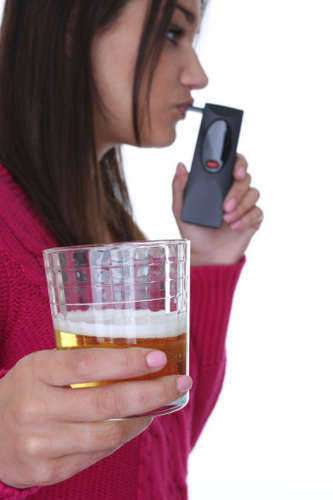
This exists in every state, however, the actual BAC limits differed among states, as did/do the penalties. For the most part, states have joined together to keep a set BAC level of 0.08. This is to prevent people from being able to drink more before they drive in one state over anohter, which could result in disaster. For example when the limit of one state was generally higher than that of its neighboring state, perhaps an out of state visitor would think he can still drink the same and either end up getting in an accident or charged with a DUI if pulled over.
Aside from the state BAC limit, each state also has a "Zero Tolerance BAC Level". This level pertains to those people in suspicion of DUI that are below the drinking age. Underage drinking is no stranger to society, so underage drinking and driving comes along as no surprise. These BAC levels provide officers with a reference on how to deal with these underage drinkers that have chosen to break another law. There is also a variation in Zero Tolerance BAC levels among states just like regular BAC levels. They can vary from 0.00 to 0.02, with 0.02 being the most commonly used one.
These measurements of BAC levels were last updated on August of 2009 so are fairly up to date, however certain laws may have been passed or changed to alter these levels as well as other aspects. Although the states now uniformly follow the 0.08 BAC level as a standard, there are other circumstances that can affect their penalties. Individual states can have additional penalties and fines depending on the BAC level you have when arrested. For instance, if you have double the legal limit you can serve a much stricter sentence in county jail, or pay double the fine, suffer longer license suspension, etc...
This goes to make an example of those who are driving while belligerently drunk as opposed to those who may have misjudged and had an extra drink at a bar. It can help teach those offenders to be even more careful next time, after being handed such a stiff punishment.
Breathalyzer tests provide the proper, accurate, non invasive method for police officers to be able to check the drivers for their BAC level. With state limits being mainly universal now, it is easier for people to be able to monitor their BAC levels even when traveling through or to a different state. This can prevent from any misinformation leading to a DUI. It also portrays each state as being stronger and less lenient to drunk driving, which is a huge issue in the United States as a whole.