Understanding Breathalyzer Test
📅 2026 Update: Changes in DUI and Breathalyzer Regulations
Since the original article was written, several important updates have occurred regarding DUI laws and breathalyzer tests across the United States. These changes reflect ongoing efforts to enhance road safety and address impaired driving. The details discussed in the earlier article continue further down this page.
🥂 Utah's BAC Limit Reduction
In 2018, Utah became the first state to lower its legal blood alcohol concentration (BAC) limit for drivers to 0.05%. This change aimed to reduce alcohol-related accidents. Other states are still considering similar limits as part of ongoing discussions about road safety.
🚦 NTSB Recommendations
The National Transportation Safety Board (NTSB) has consistently recommended that all states adopt a per se BAC limit of 0.05% or lower since 2013. This recommendation is part of a broader strategy to improve safety on the roads. It emphasizes the need for stronger measures against impaired driving.
⏳ License Suspension for Refusal
License suspension for refusing a breathalyzer test remains a significant consequence. The length of this suspension varies by state, generally ranging from 30 days to two years for a first refusal. Understanding these consequences is crucial for drivers facing DUI arrests.
🔍 Accuracy of Breathalyzer Tests
Breathalyzer tests can be challenged in court, but results are generally admissible if the device was properly calibrated and operated by a certified individual. This accuracy is important in legal proceedings regarding DUI charges. Drivers should be aware of how these tests work and their implications.
📜 Implied Consent Laws
By obtaining a driver's license, individuals agree to submit to chemical testing if lawfully arrested for DUI. This implied consent law means drivers can face penalties for refusing to take breathalyzer tests. Knowing these laws can help individuals make informed decisions during a DUI stop.
📌 Key Points Summary
- Utah's BAC limit is now 0.05%.
- NTSB recommends all states adopt a 0.05% or lower BAC limit.
- Refusing a breathalyzer can lead to license suspension from 30 days to two years.
- Breathalyzer results must be calibrated and certified to be admissible in court.
- Drivers consent to testing by holding a license due to implied consent laws.
💡 Practical Tips for DUI and Breathalyzer Situations
It's important to discuss the details of your situation with your attorney.
🛑 Know the BAC Limits
Be aware of the BAC limits in your state. For most drivers, it is 0.08%, but for underage drivers, the limit is much lower at 0.02%. Understanding these limits can help you avoid charges.
🚓 Understand Refusal Consequences
Refusing a breathalyzer test can lead to an automatic license suspension. The duration of this suspension varies by state, so it's essential to know the laws where you live.
⚖️ Zero-Tolerance Policies
If you are under 21, be mindful of zero-tolerance laws. All 50 states enforce a 0.02% BAC limit for underage drivers. This means any detectable alcohol can lead to penalties.
🌐 Use Available Resources
Take advantage of resources from the National Highway Traffic Safety Administration (NHTSA) and state DMV websites. These resources provide valuable information about DUI laws, penalties, and reinstatement procedures.
💼 Be Aware of Commercial Driver Regulations
If you are a commercial driver, remember that federal regulations set a BAC limit of 0.04%. Understanding these rules can help you maintain your driving privileges and avoid legal issues.
🏆 Services Ranked by User Reviews (2026)
This section highlights services related to legal document preparation and notary services, which can be relevant for individuals dealing with DUI charges. The rankings are based on Trustpilot data as of October 2026. Ratings can change, and it's important to consider reviews while evaluating these services.
🥇 1. LegalNature
LegalNature has been rated 4.5. It is known for providing legal document preparation and affordable legal forms. Reviewers appreciate the ease of use but some users have reported unexpected costs during the process, which could impact overall satisfaction.
🥈 2. Document Genius
Document Genius holds a 4.0 rating. It is recognized for its easy-to-use document creation tools and contract generation. While many users find it effective, some reported that the tool did not meet their specific needs, indicating variability in user experience.
🥉 3. Notarize
Notarize has a 4.5 star rating. This service is known for its 24/7 online notary services, making it convenient for those needing documents notarized quickly. However, some users have cited unexpected costs, signaling that potential users should be aware of pricing details.
🆓 Government Resources for DUI
The National Highway Traffic Safety Administration (NHTSA) and state DMV websites offer free resources regarding DUI laws and penalties. These can help individuals navigate the legal landscape and understand their rights.
🔎 Factors to Compare When Choosing Services
- 📜 Type of services offered
- 💰 Pricing and potential hidden costs
- ⭐ Trustpilot ratings and number of reviews
- 🕒 Availability and customer service response times
- 🔍 Specific needs related to DUI cases and legal documentation
❓ Frequently Asked Questions
❔ What happens if I refuse a breathalyzer test?
Refusing a breathalyzer test typically leads to an automatic license suspension. The length of suspension varies by state, often ranging from 30 days to two years.
🚧 Can my breathalyzer results be challenged in court?
Yes, breathalyzer results can be challenged in court. They are admissible only if the device was properly calibrated and operated by a certified individual.
🔄 What is the process for license reinstatement?
The process for reinstating a driver's license after a suspension due to refusing a breathalyzer varies by state. It is advisable to check your state's DMV website for specific requirements and timelines.
⚠️ What are the penalties for underage drinking and driving?
All 50 states enforce zero-tolerance laws for drivers under 21, with a BAC limit set at 0.02% or lower. Penalties can include fines, license suspension, and mandatory education programs.
📅 How long do I have to submit to a breathalyzer test after being stopped?
You are required to submit to a breathalyzer test if lawfully arrested for DUI. Refusal typically leads to penalties, including license suspension.
📋 What should I do after a DUI arrest?
After a DUI arrest, it's important to understand your rights and the legal process. Consider seeking free resources from the NHTSA or your state DMV for guidance.
⚖️ Recent Court Cases Related to DUI
Several recent court rulings have clarified aspects of DUI laws and breathalyzer testing. These rulings influence how cases are handled and can affect penalties for impaired driving.
- Court rules on DWI case involving improper interrogationNew York Justice Court · April 6, 2026
- Court Denies Dismissal of DWI Charges for DACA RecipientJustice Court of the Town of Somers · July 9, 2025
- Court grants driving privilege to defendant in drunk driving caseThe Criminal Court of the City of New York, Bronx · September 15, 2026
- New Jersey Court Rules on Mistrial in Fatal DUI CaseNew Jersey Superior Court Appellate Division · April 26, 2022
For more information on recent rulings, check out more rulings on the news page.
End of October 2026 Update
A Breathalyzer test is brand name that refers to certain instruments or devices that are meant to calculate the blood alcohol content level in people. The device measures the BAC based on the amount of alcohol in a person's breath, which is most commonly used to the determine whether a person is driving while intoxicated due to consumption of alcohol.
It is important to note that even though Breathalyzer is an actual specific brand for these kinds of instruments, there are other companies that manufacture and sell similar devices. However, the term "Breathalyzer" has been commonly used to refer to all devices that use alcohol content in a person's breath to determine the BAC levels.
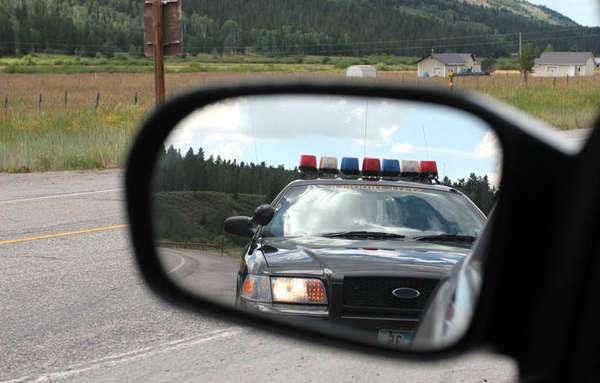
The DUI breathalyzer is commonly used by police and law enforcement agencies out on the field in order to determine if people are conducting vehicles while under the influence of alcohol. A breathalyzer test will be administered in the case that an officer suspects that a person is driving while drunk. Along with a field sobriety test, the DUI breathalyzer exam is used as evidence in court to prove that a person was driving while intoxicated.
The DUI breathalyzer is usually used by police and law enforcement agencies, though there are versions of the DUI breathalyzer sold to consumers. Furthermore, the Breathalyzer test and device comes in various forms. The most common is the handheld device, which is what most police officers use and what is sold to the public. However, there is also a desktop version available as well, which is usually found at the police headquarters or law enforcement facility.