Zero Tolerance Law Overview
📅 2026 Update: Recent Changes in DUI Laws Across the U.S.
Since the original article was written, there have been several significant updates to DUI laws in various states. These changes reflect a growing focus on stricter penalties and improving safety measures to combat impaired driving. The earlier article continues further down the page, providing foundational knowledge on DUI and DWI laws.
🚦 California's "Braun's Law" (SB 907)
California enacted Braun's Law on September 25, 2026. This law increases penalties for repeat DUI offenders. Notably, it includes longer license revocations and the requirement for mandatory ignition interlock devices.
This change aims to deter repeat offenses and enhance road safety.
🏛️ Kansas DUI Law Overhaul (HB 2377)
Effective August 5, 2026, Kansas has implemented a major overhaul of its DUI laws. The new law introduces stricter penalties, including a ten-year lookback period for prior offenses. Additionally, it expands ignition interlock requirements to all DUI offenders, further promoting responsible driving.
🌲 Washington State DUI Law Changes (ESHB 1493)
As of January 1, 2026, Washington State has updated its DUI laws. The changes allow for expanded ignition interlock license eligibility. The lookback period for felony DUIs has also increased from 10 to 15 years, reflecting a tougher stance on repeat offenders.
⚖️ West Virginia's "Baylea's Law" (HB 4712)
On May 8, 2026, West Virginia signed Baylea's Law, which raises penalties for DUI offenses that result in death. This law mandates prison sentences and lifetime license revocation for those convicted, emphasizing the severe consequences of impaired driving.
🛠️ Tennessee DUI Law Changes (Public Chapter 403, HB 1204 / SB 1400)
Starting January 1, 2026, Tennessee revised its penalties for implied consent violations. A first offense now results in a 1.5-year license revocation, an increase from the previous one-year period. This change aims to strengthen compliance among drivers regarding sobriety tests.
📌 Summary of Key Changes
- 🚦 California strengthens penalties for repeat DUI offenders.
- 🏛️ Kansas introduces stricter penalties and a ten-year lookback period.
- 🌲 Washington expands eligibility for ignition interlock licenses.
- ⚖️ West Virginia imposes tougher penalties for DUI-related deaths.
- 🛠️ Tennessee increases license revocation for implied consent violations.
💡 Practical Tips for Dealing with DUI Charges
Examine the details of your specific situation with your attorney. Being informed can help you understand the implications of your charges.
🔍 Understand the Legal BAC Limit
The legal blood alcohol concentration (BAC) limit for driving in the U.S. is 0.08%. However, in Utah, the limit is even lower at 0.05%. Knowing these limits can help drivers avoid legal issues.
⏰ Act Quickly After an Arrest
If arrested for DUI, immediate action is critical. In many states, penalties from the Motor Vehicle Administration can begin right away, impacting your driving privileges.
⚙️ Know Your State's Penalties
Penalties for a first DUI offense vary widely. They often include fines, license suspension, and possible DUI education programs. Being aware of your state's specific penalties can help you prepare.
🧩 Explore Ignition Interlock Device Options
As of October 2026, 31 states and the District of Columbia require an ignition interlock device for all convicted DUI offenders, including first-timers. Understanding how these devices work can assist in compliance.
🏁 Consider Mitigating Factors
In some states like North Carolina, installing an ignition interlock device soon after a charge can be a mitigating factor at sentencing. This could potentially reduce penalties.
📞 Utilize Available Resources
Organizations like Mothers Against Drunk Driving (MADD) offer resources and support for DUI offenders. They provide information on ignition interlock devices and prevention programs, which can be valuable for those facing charges.
🏆 Top DUI Services Ranked by User Reviews (2026)
This section highlights services that can assist individuals dealing with DUI-related matters. The rankings follow Trustpilot data from October 2026, emphasizing user feedback. Star ratings indicate general satisfaction, but keep in mind that unhappy customers often leave more reviews, which can skew perceptions.
🥇 1. Rocket Lawyer
Rocket Lawyer holds a Trustpilot score of 4.5. This service is known for its online legal document preparation and legal advice services. Reviewers have pointed out its convenience for creating necessary legal documents related to DUI cases.
However, some users have indicated that the subscription model can lead to unexpected charges, which may be a consideration for potential customers.
🥈 2. Notarize
Notarize also has a score of 4.5, but from a larger pool. It is recognized for its online notarization services, available 24/7. This can be particularly useful for DUI offenders needing quick access to notarization for legal documents.
On the downside, availability may vary by jurisdiction, limiting access for some users.
🥉 3. Document Genius
Document Genius averages a Trustpilot score of 4.1. It is known for its document creation tools and the ability to generate contracts and forms. While this service can help in preparing documents for DUI cases, some users have reported a limited selection of document templates, which may affect usability.
🆓 Free Government and Nonprofit Help
Organizations like Mothers Against Drunk Driving (MADD) provide free resources and support for DUI offenders. They focus on prevention programs and information on ignition interlock devices, offering valuable assistance without cost.
🔎 What to Compare When Choosing a Service
- 📋 Document preparation capabilities.
- ⏳ Speed of service delivery and accessibility.
- 💲 Cost structure and potential hidden fees.
- 🌍 Availability in your state or jurisdiction.
- 🗣️ User reviews and overall satisfaction ratings.
❓ Frequently Asked Questions
🚔 What happens after a DUI arrest?
After a DUI arrest, drivers may face immediate penalties from the Motor Vehicle Administration, criminal charges in court, and potential loss of driving privileges.
🕒 How long do DUI penalties last?
DUI penalties can vary by state and may last from a few months to several years, depending on the severity of the offense and whether it is a repeat incident.
⚠️ Can I refuse a field sobriety test?
While you can refuse a field sobriety test, doing so may lead to penalties, including license suspension, depending on state laws.
💼 How does an ignition interlock device work?
An ignition interlock device prevents a vehicle from starting if the driver's BAC is above a preset limit, typically around 0.02%. This helps ensure that only sober drivers can operate the vehicle.
📅 What is the lookback period for DUIs?
The lookback period for DUIs varies by state; some states have a lookback of 10 years or more for repeat offenses. This period can affect the severity of penalties for subsequent offenses.
🚦 What are zero tolerance laws for underage drivers?
All states enforce zero tolerance laws for drivers under 21, making it illegal for them to operate a vehicle with any measurable alcohol in their system.
⚖️ Recent Court Cases Related to DUI
Recent court rulings have focused on the enforcement of DUI laws and the implications of new legislation. These cases reflect how courts interpret and apply DUI laws across different states.
- Georgia Court of Appeals rules on Shawn Jones' DUI caseCourt of Appeals of Georgia · June 18, 2026
- Court upholds DUI conviction, denies suppression motionCourt of Appeals of Virginia · June 23, 2026
- Georgia Court Affirms Dismissal of DUI Charge Against MorrisCourt of Appeals of Georgia · June 25, 2026
- Court Reduces DWI Charge for Antoine Taylor in New YorkNew York Supreme Court, Queens County · December 11, 2025
For more details, feel free to browse more rulings on the news page.
End of October 2026 Update
Background
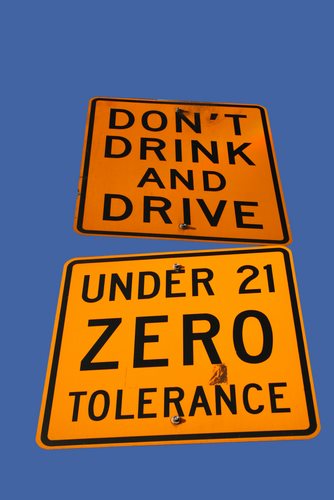
Zero tolerance laws were put into effect to try to deter the number of underage drunk drivers. These laws are adopted by some states and imply certain penalties for people caught driving legally intoxicated, that are under the age of 21. These drivers are not subject to the standard 0.08 Blood Alcohol Content level that exists in all states, but rather a much lower one that varies. Most states use 0.02 as their zero tolerance BAC level, while others fluctuate between 0.00 and 0.01. These zero tolerance laws carry more severe penalties than the normal DUI laws, and can be argued less in court , primarily due to their nature.
Creation and Purpose
The rise in alcohol related deaths and accidents led to a push for stricter DUI laws. But when a large number of these deaths proved to be from underage drinkers, a new focus was made. This focus was placed precisely on underage drinking followed by driving, which called for a new set of laws to be made. These laws were known as zero tolerance laws. They are designed to lower the number of drunk drivers by imposing a low BAC level, and stiff penalties for those in violation of them. In essence, they are also aimed at deterring people under the age of 21 to consume alcoholic beverages all together. This would be due to the fact that most teenagers drive constantly, fear of consequences would keep them from drinking.
State Mandates
Most of the states that have zero tolerance laws, have parts of these laws that pertain to other areas. These areas can include drugs, and firearms. These zero tolerance laws are used mainly by schools, to show discipline and lack of leniency to the student body for improper behavior. State mandates exist that are set provisions that guide the educational institution in the proper dealing of those found in violation of zero tolerance laws. The universal treatment of anyone violating these laws can help portray the seriousness of the offenses. State mandates have been protested by parents and school officials alike, due to their said lack of focus on individual matters.
Statistics
The addition of zero tolerance laws by certain states was done in direct response to statistics dealing with alcohol related accidents and deaths by underage ( < 21 year old) drivers. Now, after their years of existence and strict enforcement, statistics have gone to help show the positive effect that zero tolerance laws have had on the population. The slight but decreased number of alcohol related accidents due to underage drinking and driving is a clear sign of that. Of course there are still cases where these accidents and deaths occur, but if the numbers are slowly diminishing, perhaps a steady decrease will be imminent. This is if these laws continue to serve their purpose along with other underage drunk driving countermeasures.