Puerto Rico Traffic Fines
📅 2026 Update: Important Changes in DUI and DWI Laws
Since the original article was published, several states have made significant changes to their DUI and DWI laws. These changes focus on increasing penalties, expanding requirements for ignition interlock devices, and adjusting lookback periods for previous offenses. Readers can find more details about the earlier laws further down the page.
🚦 Recent Legislative Changes
New laws have come into effect across various states. For instance, California's "Braun's Law" was signed in September 2026, tightening DUI penalties for repeat offenders and extending license revocations. Similarly, West Virginia's "Baylea's Law" has increased penalties for DUI resulting in death, mandating prison sentences of 5 to 30 years.
🔑 Key DUI Penalties
As of 2026, the penalties for first-offense DUIs have changed. In California, fines now range from $390 to $1,000, with total assessments potentially reaching $1,800 to $2,600. In Nevada, first DUI offense fines also range from $400 to $1,000, plus extra costs like a $60 chemical test fee and an average of $150 for DUI school.
🔒 Ignition Interlock Device Requirements
Ignition interlock devices are now mandatory for first-time offenders in Missouri if their BAC is 0.15% or higher or if their offense caused property damage or personal injury. This law took effect on August 28, 2026, reflecting a growing trend towards stricter enforcement.
📅 Lookback Periods
Several states have revised their lookback periods for DUI offenses. Kansas introduced a ten-year lookback period for prior convictions in 2022, while Washington has increased its felony DUI lookback period from 10 to 15 years starting January 1, 2026. This means prior offenses will have a more lasting impact on new charges.
📌 Summary of Key Changes
- 🚦 California's "Braun's Law" increases penalties for repeat DUIs.
- 🔑 First-offense DUI fines have risen significantly in several states.
- 🔒 Missouri requires ignition interlock devices for higher BAC offenders.
- 📅 Kansas and Washington have extended lookback periods for DUI offenses.
- 📅 West Virginia has stricter penalties for DUI causing death.
💡 Tips for Navigating DUI Laws
Reviewing your specific situation with an attorney is essential for understanding your rights and options.
📝 Understand Your State's Law
Each state has unique DUI laws. Familiarize yourself with your state’s specific penalties, lookback periods, and ignition interlock device requirements to avoid surprises.
🔄 Check Eligibility for Restricted Driving Privileges
If facing a suspension, check if you qualify for restricted driving privileges. In Missouri, you need to submit a Request for Restricted Driving Privileges form to the Department of Revenue.
⏳ Be Aware of Deadlines
Timely submission of applications for restricted privileges is crucial. Each state has specific deadlines that can affect your ability to drive legally during a suspension.
🚗 Plan for a Sober Ride
Before drinking, always have a plan for a sober ride. Resources like the Utah Department of Public Safety can help you arrange a safe way home and avoid DUI offenses.
📚 Utilize Available Resources
Several organizations offer support for those affected by DUIs. For instance, the Pennsylvania DUI Association provides valuable resources and assistance for individuals navigating DUI issues.
🏆 Free Options Ranked by User Reviews (2026)
Currently, no national paid services in the DUI area met the review threshold for inclusion. Instead, here are some free government and nonprofit resources that can provide help.
🥇 1. Pennsylvania DUI Association
The Pennsylvania DUI Association offers support and resources to individuals affected by DUI offenses. They provide information on prevention, treatment programs, and advocacy for those facing DUI charges.
🥈 2. Utah Department of Public Safety
The Utah Department of Public Safety provides comprehensive information about DUI laws. They also offer resources to help individuals plan for safe transportation options, reducing the risk of DUI offenses.
🥉 3. Missouri Department of Revenue
The Missouri Department of Revenue is essential for those needing to apply for restricted driving privileges. They offer guidance on application processes and the requirements for maintaining driving privileges post-DUI.
4️⃣ Kansas Department of Transportation
The Kansas Department of Transportation provides resources related to DUI laws and penalties. They also offer information about ignition interlock devices and the application processes involved.
🔎 Things to Check Before Paying for Help
- 📋 Verify the credentials of any service.
- 💬 Look for user reviews and testimonials.
- 📞 Ensure the service offers clear communication.
- 💰 Check for hidden fees or additional costs.
- 📅 Confirm the timelines for receiving assistance.
❓ Frequently Asked Questions
❓ What are the new penalties for DUI in California?
California has enacted "Braun's Law," which increases penalties for repeat DUI offenders and extends license revocation periods.
🍷 How does the ignition interlock device work?
An ignition interlock device measures your BAC before allowing the vehicle to start. It is now mandatory for some first-time offenders in states like Missouri.
🚨 What are the costs associated with a DUI in Nevada?
For a first DUI offense in Nevada, fines range from $400 to $1,000. Additional costs may include fees for chemical tests, DUI school, and reinstatement.
📅 How long do DUI lookback periods last?
Kansas has a ten-year lookback period for prior DUI offenses, while Washington has increased its felony lookback period to 15 years as of January 1, 2026.
🔍 Can I obtain restricted driving privileges during a suspension?
Yes, in states like Missouri, you can apply for restricted driving privileges by submitting the appropriate form to the Department of Revenue.
🆘 Where can I find support for DUI issues?
Organizations like the Pennsylvania DUI Association offer resources and support for individuals dealing with DUI offenses.
⚖️ Recent Cases Related to DUI Laws
Recent court rulings have highlighted changes in DUI laws and their enforcement across various states. These rulings reflect the ongoing adjustments in penalties and requirements for offenders.
- Texas Court overturns ruling on DWI evidence suppressionTexas Court of Appeals, 2nd District (Fort Worth) · June 18, 2026
- Texas Court dismisses DWI appeal involving Joshua HaleTexas Court of Appeals, 10th District (Waco) · June 18, 2026
- Texas Court dismisses DWI appeal by Randall Baugh JohnsTexas Court of Appeals, 7th District (Amarillo) · July 2, 2026
- Iowa court upholds DUI and weapon charges against HolmesCourt of Appeals of Iowa · July 8, 2026
For more recent rulings, visit more rulings on the news page.
End of October 2026 Update
Guide to Puerto Rico Traffic Fines
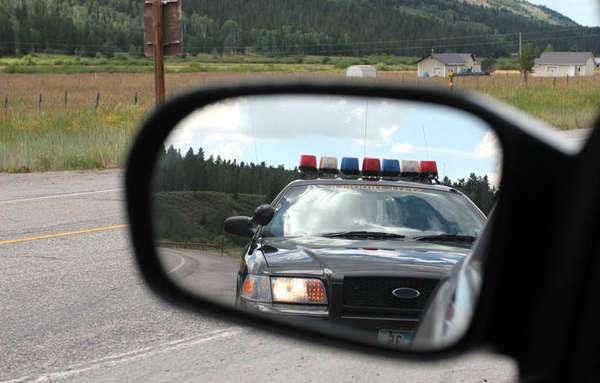
While in most states, traffic fines are set by municipal authorities and can vary significantly depending on jurisdiction, PR traffic fines are set by the territory. Understanding Puerto Rico traffic fines can help you avoid a costly ticket. This guide will explain some of the PR traffic fines that can be expected for both non-moving and moving violations. If you want to fight your Puerto Rico traffic fines or learn more information about territorial traffic laws, you may want to consult with a defense lawyer.
Puerto Rico Traffic Fines for Parking Violations
While the largest PR traffic fines are reserved for moving violations, parking infractions can also result in substantial penalties. Parking on a pedestrian walkway or in a loading/unloading zone will lead to Puerto Rico traffic fines of $25, while parking in front of a fire hydrant, fire station, bus stop, or on a curb will net a $50 fine.
The steepest PR traffic fines for non-moving violations are reserved for those who pretend to be having an emergency while parking (for instance, to get out of another traffic fine). Lying about an emergency in order to park somewhere can net you Puerto Rico traffic fines of up to $100.
Puerto Rico Traffic Fines for Speeding
It is fairly easy to compute the PR traffic fines that you will be charged if you're caught speeding. The speeding ticket itself is a baseline of $50, and $5 is added to your Puerto Rico traffic fines for every mile per hour you drove in excess of the posted speed limit. In some circumstances, these PR traffic fines can be even higher. For example, speeding in a school zone is punishable by $250 Puerto Rico traffic fines, and drivers who go 100 mph or more are considered reckless and will be assessed with a $500 fine.
Puerto Rico Traffic Fines for DUI
Drunk driving is a serious criminal offense, and you can expect some heavy PR traffic fines if you are charged with a DUI. The first time that you are convicted of driving under the influence, you will be liable for paying $300-500 in Puerto Rico traffic fines. Additionally, you can expect your license to be suspended for a minimum of 30 days. Second DUI offenses require you to pay even higher PR traffic fines of $500-700, and additional offenses will be charged a $700-1000 fine. Second and third-time DUI offenders can also expect jail time as a penalty for their drunk driving.
If you cause an accident that hurts someone while driving under the influence, you may not only be assessed Puerto Rico traffic fines in the amount of $1000-5000, you may also be charged with a felony and be required to serve up to 3 years in prison.
Other Puerto Rico Traffic Fines
Driving without a license will net traffic fines of $100 in Puerto Rico, as will letting someone drive your vehicle who is not licensed. Just leaving your license at home could be a $25 fine if you're pulled over, and driving with an expired license will cost $50.