Associated Penalties Overview
📅 2026 Update: Recent Changes in DUI Penalties
Since the original article was written, there have been no specific updates on DUI laws or penalties from 2024 to 2026. However, understanding the existing penalties remains vital for drivers. The earlier article provides a detailed overview of DUI laws, penalties, and procedures, which can still guide readers today.
🚦 BAC Limits and Zero-Tolerance Policies
In most states, the Blood Alcohol Concentration (BAC) limit is still set at 0.08% for drivers aged 21 and over. However, for drivers under 21, many states enforce a zero-tolerance policy, which remains unchanged. This means any detectable alcohol can lead to penalties.
🚔 License Suspension Duration
The process of license suspension following a DUI remains the same. Drivers can face immediate suspension upon arrest, lasting from 30 days to several months. Refusal to take a breath test can lead to extended suspensions, a rule still in effect across many states.
💸 Fines and Additional Costs
Fines for DUI offenses still vary widely. Offenders may face fines that range from a few hundred to several thousand dollars, depending on the state. This includes potential court fees, attorney fees, and increased insurance premiums after a conviction.
🔑 Ignition Interlock Devices
The requirement to install Ignition Interlock Devices (IIDs) continues in many states for offenders. These devices prevent cars from starting if alcohol is detected on the driver’s breath. The duration of IID use typically ranges from several months to years, depending on the offense.
📅 Summary of Key Points
- 🚦 BAC limits remain at 0.08% for most drivers.
- 🚔 License suspensions can last 30 days to several months.
- 💸 DUI fines still vary, including potential additional costs.
- 🔑 IIDs are required in many cases to prevent drunk driving.
- 📅 Rules for zero-tolerance policies for drivers under 21 are still enforced.
💡 Tips for Navigating DUI Situations
Go over the details of your own situation with your attorney.
🚨 Know Your BAC
Understand the legal BAC limits in your state. Being aware of these limits can help avoid legal issues and ensure safe driving.
📋 Understand License Suspension
Be informed about the potential duration of your license suspension. Knowing your state’s laws can help you prepare for the consequences of a DUI arrest.
💰 Budget for Costs
Prepare for the financial burden of a DUI. Fines, court fees, and increased insurance premiums can add up quickly, so it's wise to budget accordingly.
🔒 Consider IID Requirements
If required to install an IID, research the costs and maintenance involved. This device is a significant part of many DUI penalties.
📝 Complete Required Programs
If mandated, ensure you complete any DUI education or counseling programs. These may be necessary for license reinstatement and can help avoid further penalties.
🏆 DUI Services Ranked by User Reviews (2026)
The following services are relevant for individuals facing DUI penalties. They provide various legal and support options to help navigate the consequences of DUI charges. The order reflects Trustpilot data as of October 2026.
Star ratings are one measure of service quality, but remember that unhappy customers tend to leave more reviews, so sample sizes may vary.
🥇 1. Notarize
Notarize has been rated 4.5 on Trustpilot. It is known for its online notarization services, which can be crucial for legal documents related to DUI cases. Some customers noted issues with the service, particularly regarding response times.
🥈 2. LifeSafer Ignition Interlock
LifeSafer Ignition Interlock holds a score of 4.5. It specializes in ignition interlock devices and DUI-related services. While it has a solid reputation, some reviewers have pointed out long hold times and communication gaps.
🥉 3. Intoxalock
Intoxalock also has a Trustpilot score of 4.5. Known for providing ignition interlock devices, it supports those facing DUI penalties. However, some customers reported long hold times and communication issues similar to LifeSafer.
4️⃣ Rocket Lawyer
Rocket Lawyer has a Trustpilot rating of 4.5. This service is known for legal document preparation and online legal services, which can be beneficial for those dealing with DUI charges. Some users expressed concerns about the subscription model.
🆓 Free Legal Aid and Education Programs
Many states offer free legal aid organizations that provide assistance to individuals with DUI charges. Additionally, DUI education programs may be available through nonprofit organizations, which can be court-mandated as part of a DUI sentence.
🔎 Factors to Compare When Choosing DUI Services
- 📊 Trustpilot scores and review counts.
- 💬 Customer feedback on service reliability.
- 💵 Costs associated with services offered.
- 🔄 Availability of free legal assistance options.
- 📅 Timeframes for service completion.
❓ Frequently Asked Questions
❓ What are the consequences of refusing a breath test?
Refusing a breath test can lead to immediate license suspension and additional penalties. Many states impose harsher penalties for refusal compared to taking the test.
🛡️ Can I appeal a DUI conviction?
Yes, individuals have the right to appeal DUI convictions. However, strict deadlines usually apply, often within 30 days of sentencing.
📉 How do DUI penalties vary by state?
DUI penalties can differ significantly across states, including fines, license suspension durations, and requirements for ignition interlock devices. It’s important to check your local laws.
🌐 Are there any resources for low-cost legal help?
Yes, many states have legal aid organizations offering free or low-cost legal assistance for individuals facing DUI charges. These resources can be crucial for obtaining legal support.
💵 What costs should I expect after a DUI conviction?
Expect fines, court fees, and increased insurance premiums as common costs after a DUI conviction. Additionally, costs for ignition interlock devices may also apply.
⏳ How long does a DUI case typically take to resolve?
Processing times for DUI cases can vary widely, often taking several months from arrest to final resolution. Factors such as state laws and court backlogs influence this time.
⚖️ Recent Court Cases Involving DUI
Recent court rulings highlight changes and interpretations in DUI laws. These rulings can significantly impact how DUI cases are handled and the penalties imposed.
- Court rules on DWI case involving improper interrogationNew York Justice Court · April 6, 2026
- Court Denies Dismissal of DWI Charges for DACA RecipientJustice Court of the Town of Somers · July 9, 2025
- Court grants driving privilege to defendant in drunk driving caseThe Criminal Court of the City of New York, Bronx · September 15, 2026
- New Jersey Court Rules on Mistrial in Fatal DUI CaseNew Jersey Superior Court Appellate Division · April 26, 2022
For more recent rulings, browse more rulings on the news page.
End of October 2026 Update
Insurance Surcharges
Insurance surcharges pertain to a specified amount of money that is added to the costs and penalties of a fine, in this case, related to DUI offenses. These surcharges will be paid annually on a three year basis, and the amount of them can range from $1,000 to $2,000.
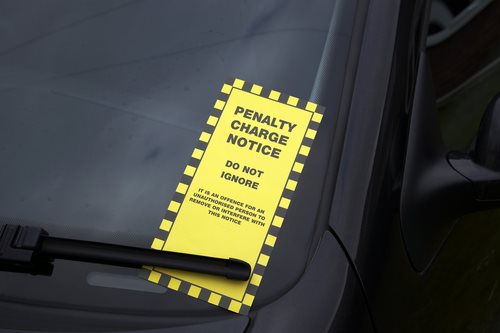
They vary in relation to the gravity of the offense, and in some cases the amount of BAC in the person’s system. This is a substantial amount for a surcharge especially over its full course, and can be tough to add on to the existing costs of a DUI case. The full out cost of a DUI case is meant not only to punish the person and portray the severity of the crime, but also to deter future offenders from committing or repeating their offenses.
Community Service
Community service relates to work performed without monetary compensation by an individual. It usually relates to a court mandated service for an offender of a particular crime as a means of reduced sentencing. In DUI cases this can be public speaking in regards to DUI, or cleaning up trash on the side of roadways. The judge in a case can choose the organization for the individual to perform their hours of community service, or simply assign them somewhere their services are required if they are in a particular trade. The amount of hours imposed usually reflect the amount of time the person would have spent in jail, if that was the sentencing they avoided. Community service is a great alternative to jail time for offenders, and society.
Driving on a Suspended License
Having a license suspended can be a tough reprimand to get used to, especially if a person relies heavily on transportation. The ability to drive in the United States is a privilege given to its many residents, but when violated, can be just as easily taken away.
When a person who has had their driving privileges suspended chooses to drive illegally, they may face much worse penalties if they are caught. These penalties can include an increase in the term of their suspension or revocation of their license, as well as fines, and jail time. The violation of a suspension is seen as a very serious offense and that is clearly visible in the penalties one can sustain if charged with driving with a suspended license.
Aggravated Offenses
DUI offenses are bad enough on their own, but certain factors can make them a lot worse. These factors are known as aggravating factors, and can increase the penalties of the offense significantly. Aggravated offenses exist in DUI for repeat offenders, or when certain circumstances are present. An example of these can be when a driver is driving under the influence of alcohol, while there is a child in the car.
Another, more serious aggravated DUI offense is when the person’s actions result in an accident in which bodily harm was caused to another person, or even death. In these cases the person will most likely be charged with a felony DUI as opposed to a misdemeanor, as with the majority of aggravated offenses.
Counseling
Counseling is available as a means to assist those convicted of DUI offenses in getting through the entire process. This can help them not only deal with the pain and grief of the situation but also the steps necessary to deal with it. This can range from help with a DUI attorney, to helping them meet the measures of their probation and getting back on their feet and reinstating their license.
Counseling centers for DUI offenders are available in many states, and in many areas of those states to make it easily accessible for those that are willing to attend, or have been ordered by a court to attend.
DUI/Driver's Courses
DUI Courses are available to those that have been convicted of a DUI offense. They are offered in various places, and are usually court ordered. These courses can be given in addition to a grave offense, or be used in place of harsher sentencing. Most people can avoid jail time by not only attending these courses, but successfully completing them.
In these courses they can learn a variety of things, from alcohol dependency, to the effect of alcohol on the human body and its impairment on drivers. These courses can vary in time length and day/week duration in relation to the offense. They can also vary in context by the severity of the DUI offense. They are a helpful tool in the betterment of DUI offenders, and preparing them for life after an offense.
Drug Offenses
Drug offenses while driving are generally known as DUID’s. They pertain to anyone driving under the influence of a drug that can control a person’s nervous system and impair their driving skills. These drugs include the typical illegal drugs, marijuana, cocaine, and methamphetamines. However, they can also relate to prescription drugs such as pain killers. Because of the inability of these drugs to show up on a breathalyzer test, officers usually call in experts known as Drug Recognition Experts to help them. These experts have been trained to follow an examination of a driver to be able to determine whether or not they are under the influence of drugs. Officers can also make their arrests without these experts, if there are drugs present in the vehicle, or objects use to house or make drugs.
Probation
A probation period refers to the time period that a judge or court has imposed upon an individual following an offense. During a DUI offense, this time period can entail certain measures and guidelines by which the individual should follow. These could include alcohol programs, and meetings, and speaking publicly about the dangers of DUI.
A person that commit’s a crime and violates their probation period is subject to further fines and penalties. Probation periods generally range from three months to a year, and can be even longer, depending on the offense. Since probations usually carry a series of conditions, aside from the obvious ones, it is important that offenders acquaint themselves fully with these conditions in order to avoid further incrimination and punishment.