Traffic Tickets
📅 2026 Update: Recent Changes in DUI and DWI Laws
Since the original article on traffic tickets was published, several important changes have occurred in DUI and DWI laws across various states. These updates include new penalties, changes in lookback periods for offenses, and the introduction of mandatory ignition interlock devices for certain offenders. The earlier article continues further down the page, providing foundational information on these topics.
🚦 California's Enhanced DUI Penalties
On September 25, 2026, California Governor Gavin Newsom signed "Braun's Law" (SB 907). This law strengthens DUI penalties, especially for repeat offenders. It introduces longer license revocations and increased fines for those who repeatedly drive under the influence.
⏳ Kansas's Lookback Period Changes
In 2022, Kansas enacted House Bill 2377, creating a ten-year lookback period for prior DUI offenses. This means that any DUI convictions within the last ten years will count against a new offense. Additionally, Senate Bill 500, effective January 1, 2025, adjusted the application process for restricted driving privileges during suspensions.
⚖️ West Virginia's Stricter Sentences
West Virginia Governor Patrick Morrisey signed "Baylea's Law" (House Bill 4712) on May 8, 2026. This law increases penalties for DUI offenses that result in death. Mandatory prison sentences of 5 to 30 years will now apply, along with a lifetime driver's license revocation for those convicted.
🔒 Missouri's Ignition Interlock Device Requirement
As of August 28, 2026, Missouri's HB 1740 mandates that first-time DUI offenders with a BAC of 0.15% or higher must install an ignition interlock device. This requirement also applies to those whose offense caused property damage or personal injury.
📅 Tennessee's License Revocation Update
Starting January 1, 2026, Tennessee increased the court-ordered license revocation period for a first implied consent violation. Offenders will now face a revocation period of one year and six months instead of just one year.
📌 Key Points
- California: New penalties for repeat DUI offenders as of September 2026.
- Kansas: Ten-year lookback period for prior DUI offenses.
- West Virginia: Stricter penalties for DUI resulting in death.
- Missouri: Ignition interlock devices required for certain first-time offenders.
- Tennessee: Increased revocation period for first implied consent violations.
💡 Tips for Dealing with DUI Charges
Reviewing the details of your situation with an attorney is crucial for understanding your options.
🚗 Understand Your State's Laws
Each state has unique DUI laws and penalties. Make sure to familiarize yourself with the specific rules that apply in your state, as they can differ significantly.
⏳ Know the Lookback Period
Be aware of the lookback period for DUI offenses in your state. This period dictates how past offenses may impact your current situation, as seen in Kansas with its ten-year lookback.
🔒 Prepare for Ignition Interlock Device Requirements
If you are facing DUI charges in Missouri, understand that you may need to install an ignition interlock device. This requirement applies if your BAC was 0.15% or higher or if your offense caused injury or damage.
📅 Keep Track of License Revocation Periods
Know the length of your license revocation period. For example, Tennessee has increased this period for first implied consent violations, so be prepared for a longer wait before reinstatement.
⚖️ Review Court-Ordered Surcharges
In states like New York, be aware of any court-ordered surcharges related to DWI offenses. These fees are often directed to programs aimed at preventing drunk driving.
🏆 Free Options Ranked by User Reviews (2026)
No national paid service has met the review threshold for this topic, so this section focuses on free government and nonprofit resources available to help individuals affected by DUI offenses.
🥇 1. Pennsylvania DUI Association
The Pennsylvania DUI Association provides resources and support for individuals facing DUI charges. They offer educational materials and assistance for those affected by DUI offenses, helping people understand their options and rights.
🥈 2. Utah Department of Public Safety
The Utah Department of Public Safety offers information and resources to help individuals plan for a sober ride. They focus on preventing DUI offenses through education and community outreach, making roads safer for everyone.
🥉 3. Missouri Department of Revenue
The Missouri Department of Revenue provides guidance on applying for restricted driving privileges during a suspension. They help individuals navigate the process and ensure compliance with state regulations.
4️⃣ Kansas Department of Transportation
The Kansas Department of Transportation offers resources related to DUI laws and penalties. They provide educational materials on the importance of sober driving and the consequences of DUI offenses.
5️⃣ West Virginia Division of Motor Vehicles
The West Virginia Division of Motor Vehicles helps individuals understand the state's DUI laws and penalties. They offer resources for those facing DUI charges, including information on legal requirements and potential consequences.
🔎 What to Check Before Paying for Help
- 🔍 Verify the credentials and reputation of any service.
- 💵 Compare costs with free resources available.
- 📋 Ensure that the service specializes in DUI-related issues.
- ⚖️ Review user feedback and ratings.
- 🕒 Check processing times for any services offered.
❓ Frequently Asked Questions
🚦 What is Braun's Law in California?
Braun's Law, signed on September 25, 2026, increases penalties for repeat DUI offenders in California. It also extends license revocation periods, enhancing the enforcement of DUI laws.
⏳ How does the lookback period affect my DUI charge?
The lookback period determines how long past DUI offenses are counted when sentencing a new charge. For example, Kansas has a ten-year lookback period, which can significantly impact penalties.
🔒 What happens if I refuse a chemical test in Missouri?
In Missouri, refusing a chemical test can lead to automatic license suspension. The state has increased penalties for implied consent violations, resulting in longer revocation periods.
📅 Are there financial penalties for DUI offenses?
Yes, financial penalties vary by state. For instance, California fines for a first DUI offense range from $390 to $1,000, with additional assessments that can raise costs significantly.
⚖️ What are the consequences of DUI resulting in death in West Virginia?
In West Virginia, DUI resulting in death can lead to mandatory prison sentences ranging from 5 to 30 years. Offenders also face lifetime revocation of their driver's licenses.
🚗 How does New York handle DWI surcharges?
In New York, DWI surcharges are directed to county STOP-DWI programs. Starting April 1, 2024, there will be surcharges of $25 and $170, aimed at funding prevention initiatives.
⚖️ Recent Cases Related to DUI Laws
Recent court rulings have further shaped the landscape of DUI laws, reflecting ongoing changes and enforcement in various states.
- Florida court upholds DUI manslaughter conviction of ClarkDistrict Court of Appeal of Florida · April 6, 2021
- Court reduces DUI convictions for Christle Thompson caseDistrict Court of Appeal of Florida · November 30, 2022
- Florida Court Upholds DUI Restitution Order of $2,051.62District Court of Appeal of Florida · October 27, 2023
- California Court reverses DUI blood draw ruling in Castro caseCalifornia Court of Appeal · July 1, 2026
For more information on recent rulings, please see more rulings on the news page.
End of October 2026 Update
Your Guide to Traffic Tickets
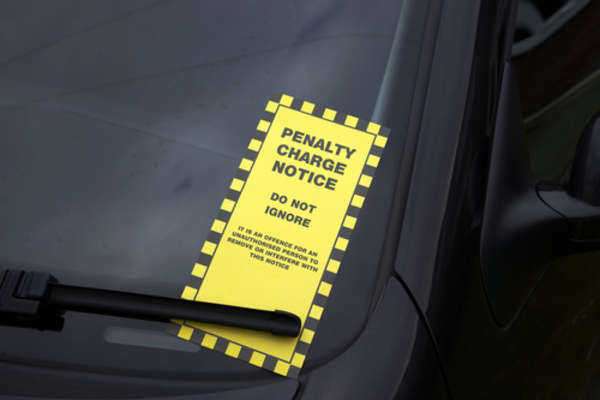
Traffic tickets have been issued in the United States since 1904, when Harry Myers of Dayton, Ohio was ticketed for going 12 mph. Today's traffic tickets are issued for a wide variety of reasons. While most people still only think of traffic tickets as being for things like speeding or improper turns, today's tickets are issued for a number of different violations. This guide will help you understand several types of common tickets that are issued by today's law enforcement officials and direct you to pages on laws.com that will give you more details on your state's traffic ticket laws.
Speeding Fines
The most common of traffic tickets is the humble speeding ticket. If you travel at a speed higher than the posted speed limit (or higher than the default speed limit in some states), in most states this is considered always illegal. In Utah, Texas, and Rhode Island [NOTE FOR EDITORIAL STAFF: please include links to these states when each of these articles is finished], the law regarding traffic tickets for speeding is significantly different: if you can show evidence that you were driving safely in spite of exceeding the speed limit, you may be able to fight speeding tickets received there.
Some states will allow municipalities to fine you, but not put points on your license, if you have only been charged with speeding a small amount. Colorado, Florida, Michigan, Missouri, Pennsylvania, New Mexico, North Dakota, and Wyoming allow you to speed up to 5 mph without ever incurring points on your license (though police may still pull you over and ticket you). In Kansas, Kentucky, Oklahoma, Montana, and West Virginia, you get no points for speeding up to 10 mph above the posted limit, and in Georgia you must be speeding at least 15 mph above posted speed limits to get traffic tickets accompanied by license points.
Driving While Texting
Driving while texting is a relatively new offense, and not every state has rules about texting while driving yet. States with no anti-texting while driving statute include Alabama, Arizona, Florida, Hawaii, Idaho, Indiana, Maine, Mississippi, Missouri, Montana, Nevada, New Mexico, North Dakota, Ohio, Oklahoma, Pennsylvania, South Carolina, South Dakota, Texas, Vermont, and West Virginia. The harshest traffic tickets for texting while driving are in Alaska, where texting while driving can be punished by up to a year in jail and a fine of up to $5,000.
Seat Belt Violations
Every state except New Hampshire requires at least front-seat occupants to wear a seat belt. About half of states also require rear-seat occupants to wear seat belts as well. You can be issued a traffic ticket for violating these seat belt laws, but in most states these traffic tickets are for relatively low amounts. For instance, Kansas only charges $5 for a seat belt violation and no court costs, while Wisconsin and Missouri charge $10.
You can learn more about traffic tickets and fines in various states by looking at laws.com pages for each state's traffic ticket laws.