Pennsylvania Traffic Fines
📅 2026 Update: Changes in DUI Laws and Penalties
Since the original article was published, several states have made important updates to their DUI laws. These changes affect penalties, license suspensions, and ignition interlock device requirements. The information in the original article continues below, providing a comprehensive overview of Pennsylvania traffic fines.
🚦 Recent Legislative Changes
Changes to DUI laws have occurred in several states, impacting how offenses are handled. For example, California's new "Braun's Law" strengthens penalties for repeat offenders and lengthens license revocation periods. Kansas has also made significant changes, including a ten-year lookback period for DUI offenses.
🔒 Ignition Interlock Devices
Missouri has updated its laws to mandate ignition interlock devices for first-time DUI offenders with a BAC of 0.15% or higher. This requirement also applies to those whose DUI caused property damage or personal injury. Such measures aim to enhance road safety by preventing repeat offenses.
⏳ License Revocation Periods
Tennessee has increased the license revocation period for first implied consent violations from one year to one and a half years, effective January 1, 2026. This change reflects a stricter approach to enforcing DUI laws and penalties.
⚖️ Increased Penalties for Serious Offenses
West Virginia has introduced "Baylea's Law," which imposes harsher penalties for DUI offenses that result in death. Offenders can face mandatory prison sentences ranging from 5 to 30 years and lifetime driver's license revocation. This law aims to deter dangerous driving behaviors.
📉 Changes in Lookback Periods
Washington's lookback period for felony DUIs has increased from 10 to 15 years, starting January 1, 2026. A DUI or Physical Control becomes a class B felony if there are three or more prior offenses within this timeframe. This change emphasizes the seriousness of repeated offenses.
📌 Key Takeaways
- California's "Braun's Law" increases penalties for repeat DUI offenders.
- Missouri mandates ignition interlock devices for certain first-time offenders.
- Tennessee extends the license revocation period for implied consent violations.
- West Virginia imposes tougher penalties for DUI resulting in death.
- Washington increases the felony DUI lookback period to 15 years.
💡 Tips for Understanding DUI Charges
Review the details of your situation with your attorney.
🚗 Know Your BAC Limits
Each state has specific BAC limits for DUI charges. Understanding these limits can help you avoid penalties. In many states, a BAC of 0.08% or higher can lead to a DUI charge.
🕰️ Understand the Lookback Period
Some states have a lookback period that affects how prior offenses are counted. For instance, Kansas has a ten-year lookback period. Knowing this can impact sentencing for new offenses.
🔑 Install Ignition Interlock Devices
In states like Missouri, first-time DUI offenders with high BAC levels may be required to install ignition interlock devices. This measure helps prevent further offenses while driving.
📅 Be Aware of License Revocation Periods
License revocation periods can vary by state and even by the specifics of the offense. Tennessee has extended this period for first implied consent violations to one and a half years.
🛡️ Utilize Available Resources
Organizations like the Pennsylvania DUI Association offer resources for individuals affected by DUI offenses. These resources can provide support and guidance in navigating the legal process.
📞 Apply Promptly for Restricted Driving Privileges
If facing a suspension, apply quickly for restricted driving privileges. Delays can complicate your ability to drive legally during the suspension period.
🏆 Free Options Ranked by User Reviews (2026)
No national paid service met the review threshold for DUI resources, so this section lists free government and nonprofit resources available.
🥇 1. Pennsylvania DUI Association
The Pennsylvania DUI Association provides support and resources for individuals impacted by DUI offenses. Their programs aim to educate the public about DUI laws and promote safe driving practices.
🥈 2. Utah Department of Public Safety
The Utah Department of Public Safety offers information and resources to help individuals avoid DUI offenses. They focus on educating the community about sober driving options and the consequences of DUI.
🥉 3. Kansas Department of Revenue
The Kansas Department of Revenue provides resources for individuals dealing with DUI offenses. They assist with information on licensing and the requirements for ignition interlock devices.
4️⃣ Missouri Department of Revenue
The Missouri Department of Revenue offers guidance related to DUI offenses. They provide information on applying for restricted driving privileges during suspensions.
5️⃣ West Virginia Division of Motor Vehicles
The West Virginia Division of Motor Vehicles educates the public about DUI laws and penalties. They also provide resources for individuals facing DUI charges.
🔎 Before Paying for Help
- 🏷️ Check reviews and ratings.
- 📜 Confirm the credentials of the service.
- 💰 Understand all potential costs involved.
- 🗓️ Ask about processing times for applications and services.
❓ Frequently Asked Questions
❓ What is the penalty for a first-time DUI in Pennsylvania?
Penalties for a first-time DUI in Pennsylvania can include fines, license suspension, and mandatory alcohol education programs.
⚠️ How long will my license be suspended for a DUI?
License suspension periods vary by state and can depend on the number of offenses. In some cases, first-time offenders may face a suspension of up to a year.
🏷️ What is an ignition interlock device?
An ignition interlock device is a breathalyzer installed in a vehicle that prevents it from starting if the driver has been drinking. Some states require it for DUI offenders.
📅 How can I apply for restricted driving privileges?
To apply for restricted driving privileges, you may need to submit a specific application form to your state’s department of revenue or motor vehicles.
📞 Can I get help with my DUI case for free?
Yes, organizations like the Pennsylvania DUI Association offer resources and support for individuals impacted by DUI charges.
🔍 How can I find out more about recent DUI laws?
To stay updated on DUI laws and changes, you can check state government websites or local news sources that report on traffic and legal matters.
⚖️ Recent Court Cases Involving DUI
Recent court rulings have influenced DUI laws and penalties across various states. These rulings highlight how legal interpretations can affect DUI enforcement and penalties.
- Court rules on DWI case involving improper interrogationNew York Justice Court · April 6, 2026
- Court Denies Dismissal of DWI Charges for DACA RecipientJustice Court of the Town of Somers · July 9, 2025
- Court grants driving privilege to defendant in drunk driving caseThe Criminal Court of the City of New York, Bronx · September 15, 2026
- New Jersey Court Rules on Mistrial in Fatal DUI CaseNew Jersey Superior Court Appellate Division · April 26, 2022
For more recent rulings, check out more rulings on the news page.
End of October 2026 Update
A Brief Introduction to Pennsylvania Traffic Fines
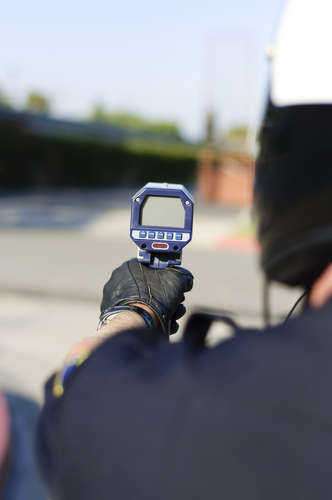
Pennsylvania traffic fines are confusing, but for individuals who don’t suitably research them, they may appear scarer or more threatening than they actually are. It can be very easy to manage your Pennsylvania traffic fine, but remember that you still have the option available to fight it in open court. The costs associated with doing so, from court fees to what an optional defense lawyer would charge, may be much greater than your actual Pennsylvania traffic fine, so please research as much as possible before deciding your plan of action.
A Summary of Pennsylvania Traffic Fines
A Pennsylvania traffic fine for speeding is no simple matter to compute. In fact, there are multiple different charges which compose such a Pennsylvania traffic fine, including administrative fees, Emergency Service Fund payments, a fee to pay for the upgrading of the judicial computer system, a surcharge on the Catastrophic Loss Trust Fund, and then the actual Pennsylvania traffic fine, which is composed of both a base fine and then an extra amount charged for each mile over the speed limit an individual went.
Here is some information on all types of Pennsylvania traffic fines that should be able to help you calculate your own fine for speeding or whatever violation you are being charged with:
•Speeding in a 65 mile per hour zone: $137 plus $2 for every mile per hour over five miles per hour over the speed limit that was driven
•Speeding in any zone not listed as being 65 miles per hour: $126 plus $2 for every mile per hour above five miles per hour above the speed limit that was driven.
•Driving too fast considering the hazardous conditions: $109.50
•Driving too slowly: $109.50
•Ignoring or passing traffic-control devices such as a stop sign or stop light: $109.50
The Disciplinary Point System
There is also a point system in place in the state of Pennsylvania that can make assessing your Pennsylvania traffic fines all the more difficult. That is because points work as indirect Pennsylvania traffic fines in that they tip car insurance companies that a driver is at-risk for an accident and should therefore be charged higher insurance premiums.
One of the ostensible reasons for the point system is that it prevents such risky drivers from getting behind the wheel. All drivers who accumulate six points need to take an examination about proper driving etiquette and safety. If they pass, two points will be removed from their record. If you pass six points a second time, you’ll have to pass a on-the-road driving examination to still have control of your license and drop two points again. The third time you accumulate 6 points, an immediate suspension will be placed on your ability to drive. Drivers under 18 will get suspensions the first time they cross the 6 point limit.
Here are a few important examples of Pennsylvania traffic fines as points with their relevant accidents:
•Not stopping for a red light or a traffic signal: 3 points
•Careless driving: 3 points
•Not stopping for a school bus with flashing red lights: 4 points and a 60 day suspension
•pennsylvania traffic fines Various traffic violation and its fine in the state of pennsylvania
•Speeding by six to 10 mph: 2 points
•Speeding by 11 to 15 mph: 3 points
•Speeding by 16 to 25 mph: 4 points
•Speeding by 26 to 30 mph: 5 points
•Speeding more than 30 mph: 5 points