North Carolina Traffic Fines
📅 2026 Update: Changes in North Carolina DUI Laws
Since the original article on North Carolina traffic fines was published, several important updates to DUI laws across various states have emerged. These changes impact penalties, restrictions, and requirements for DUI offenders. The earlier article continues further down the page for more in-depth information.
🚦 Recent Changes in DUI Laws
Several states have enacted new laws affecting DUI penalties. For example, on September 25, 2026, California introduced "Braun's Law," which increases penalties for repeat offenders and extends license revocation periods. This reflects a broader trend toward stricter DUI laws across the country.
- 🚨 Kansas: In 2022, Kansas updated its DUI laws, establishing a ten-year lookback period for previous offenses. This means that prior DUI convictions can impact sentencing for new offenses for a longer time.
⚖️ Increased Penalties for Serious Offenses
Some states have significantly increased penalties for severe DUI offenses. West Virginia's "Baylea's Law," signed on May 8, 2026, enforces mandatory prison sentences of 5 to 30 years for DUI cases resulting in death. This law aims to deter dangerous driving behaviors.
- ⏳ Missouri: Starting August 28, 2026, Missouri mandates ignition interlock devices for first-time DUI offenders with a BAC of 0.15% or higher. This requirement applies to those whose offense caused personal injury or property damage.
🕒 License Revocation Updates
Tennessee has extended the license revocation period for first implied consent violations from one year to one year and six months as of January 1, 2026. This change emphasizes the seriousness of refusing to take a breath test.
- 📅 Washington: The felony DUI lookback period increased from 10 to 15 years as of January 1, 2026. This change makes repeat offenders face harsher penalties.
📌 Key Points Summary
- 🚦 California and Kansas have introduced stricter DUI laws.
- ⚖️ West Virginia has increased penalties for DUI resulting in death.
- ⏳ Missouri now requires ignition interlock devices for certain offenders.
- 🕒 Tennessee has extended the license revocation period for implied consent violations.
- 📅 Washington has increased the felony DUI lookback period to 15 years.
💡 Tips for Navigating North Carolina DUI Laws
Review the details of your situation with your attorney.
📜 Understand Your BAC Limits
In North Carolina, the legal BAC limit is 0.08% for most drivers. Being aware of this limit can help you avoid DUI charges.
📝 Know the Penalties
Fines and penalties for DUI can vary. Understanding the potential consequences can help you prepare for the legal process after a DUI charge.
⏳ Be Aware of License Suspension
A DUI conviction in North Carolina can lead to significant license suspension periods. Knowing these timelines can help you plan for alternate transportation.
🔄 Consider Ignition Interlock Devices
If required, installing an ignition interlock device can be a part of your legal requirements. Understanding how it works can help you comply with the law.
📅 Stay Informed on Changes
Laws can change frequently. Staying updated on North Carolina DUI laws is crucial for avoiding future issues.
🏆 Free Options Ranked by User Reviews (2026)
No national paid services reached the review threshold for this topic, so this section highlights free government and nonprofit resources available for those affected by DUI laws.
🥇 1. Pennsylvania DUI Association
The Pennsylvania DUI Association offers resources for individuals dealing with DUI offenses. They provide educational materials and support for those seeking information about DUI laws and penalties.
🥈 2. Utah Department of Public Safety
The Utah Department of Public Safety is a resource for planning a sober ride and avoiding DUI offenses. They emphasize the importance of safe driving and provide crucial information to prevent DUIs.
🥉 3. Kansas DUI Impact Center
The Kansas DUI Impact Center offers resources for individuals affected by DUIs. They focus on community education and prevention programs aimed at reducing DUI rates.
4️⃣ 4. Missouri Department of Revenue
The Missouri Department of Revenue provides information on applying for restricted driving privileges. They guide individuals through the application process during a suspension.
5️⃣ 5. North Carolina DMV
The North Carolina DMV offers resources related to license suspensions and reinstatement procedures. They provide essential information for those navigating the state's DUI penalties.
🔎 What to Check Before Paying for Help
- 💰 Verify the cost of services offered.
- 📄 Check for any hidden fees or charges.
- 📞 Ensure the organization has a good reputation.
- 🏛️ Confirm their legitimacy with local authorities.
❓ Frequently Asked Questions
❓ What happens to my license after a DUI in North Carolina?
A DUI conviction can lead to a suspension of your driving privileges, with the duration depending on the severity of the offense.
🚗 How do ignition interlock devices work?
Ignition interlock devices prevent a vehicle from starting if alcohol is detected on the driver’s breath. They are often required for certain DUI offenders.
📅 Can I apply for a restricted license after a DUI?
Yes, in North Carolina, individuals can apply for a restricted license under specific conditions after a DUI conviction.
🕒 How long does a DUI stay on my record in North Carolina?
A DUI charge remains on your driving record for a minimum of seven years in North Carolina.
⚖️ What are the consequences of refusing a breath test?
Refusing a breath test can lead to immediate license suspension and can be used against you in court if charged with a DUI.
📜 Are there options for DUI education programs?
Yes, some states offer DUI education programs that may reduce penalties or allow for restricted driving privileges.
⚖️ Recent Cases Related to DUI Laws
Recent court rulings have highlighted the importance of understanding DUI laws and their impact on driving privileges. These cases often set precedents for how laws are applied in different situations.
- Puerto Rico court upholds DUI conviction of Zulueta MartínezTribunal De Apelaciones De Puerto Rico/Court of Appeals of Puerto Rico · June 25, 2026
- Puerto Rico Court Upholds 15-Year Sentence for DUI CrashTribunal De Apelaciones De Puerto Rico/Court of Appeals of Puerto Rico · June 5, 2026
- Texas Court upholds DWI conviction of Charles Lee PollardTexas Court of Appeals, 1st District (Houston) · September 11, 2026
- Delaware Supreme Court affirms DUI conviction of WilsonSupreme Court of Delaware · September 28, 2026
You can browse more rulings in the news section for the latest updates on DUI cases and their outcomes.
End of October 2026 Update
A Short Introduction to North Carolina Traffic Fines
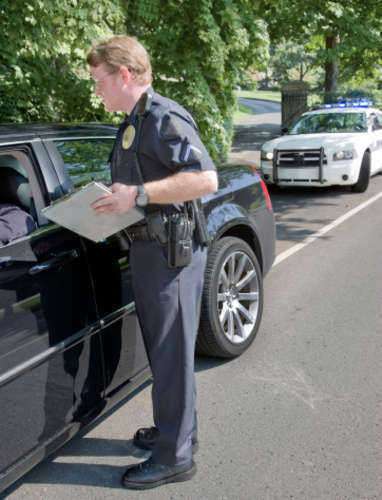
North Carolina traffic fines are some of the strictest in the entire country. Be prepared to pay hundreds of dollars in court costs and fines and to potentially lose your license over them. Still, panicking can only make the situation worse. Rather, find out as much information as you can about North Carolina traffic fines and remember that options are still available to you to fight your ticket in court or to try to negotiate a lower charge.
A Summary of North Carolina Traffic Fines
There’s a wide variety of North Carolina traffic fines that you may be punished with, but you’ll notice that with them all the majority of the money you pay won’t be as a North Carolina traffic fine but as court costs. In fact, the most commonly occurring court costs or statistical mode is $188, no small sum by any means. With that in mind, here’s a brief summary of North Carolina traffic fines:
•All lane violations: $30 fine + $188 court costs
•Ignoring stop signs and traffic lights: $25 fine + $188 court costs
•Going 10 miles per hour over the speed limit: $30 fine +188 court costs
•Going 15 miles per hour over the speed limit: $30 fine +188 court costs
•Going 20 miles per hour over the speed limit: $45 fine +190 court costs
Not also that individuals who pled guilty to 20 miles per hour lose their license. For this reason, most individuals are given the chance to negotiate with prosecutors to lower their crime to 15 miles per hour. Such individuals still have to pay their original North Carolina traffic fine, regardless of their plea deal.
The Disciplinary Point System
Yet no matter how severe your North Carolina traffic fine is, that may be the least important of your new troubles. That’s because each North Carolina traffic fine comes with a disciplinary point value that is added to your license, increasing the cost of your car insurance, sometimes by thousands of dollars over the course of a year.
Besides acting as hidden North Carolina traffic fines, these points can help keep habitually unsafe drivers off the road. Get 12 points on your license over the course of three-years and you stand to lose your license for up to 60 days. Get 8 points during the next three years and it’s another suspension for up to an entire year.
For both these reasons, it is as important for drivers to watch closely the number of points on their license as to watch how big their North Carolina traffic fine is. Here is a brief summary of points values assigned to different traffic violations:
•Speeding in a 55 mile per hour or greater zone, provided your speed is less than 76 miles per hour: 2 points
•At fault damage worth less than $3000: 2 points
•At fault damage worth more than $3000: 3 points
•Speeding in excess of 75 miles per hour: 4 points
•Reckless driving: 4 points
•Ignoring stop signs and traffic lights: 2 points