Minnesota Traffic Fines
📅 2026 Update: Changes in Minnesota Traffic Fines and DUI Laws
Since the original article was published, Minnesota has made several important changes to its traffic fines and DUI laws. These updates include expansions to the ignition interlock program and longer license revocation periods for repeat offenders. The information below highlights these key changes, while the original article continues further down the page.
🚦 Ignition Interlock Program Expansion
Effective July 1, 2025, Minnesota expanded its ignition interlock program. Now, individuals with a second or subsequent alcohol or drug offense within 20 years must participate. This change broadens the lookback period from 10 years to 20 years, meaning more offenders will need to use the device.
⏳ License Revocation Periods
As of August 1, 2025, the state has increased the license revocation periods for test refusals and failures. Individuals with four or more prior impaired driving incidents within 20 years can now face revocations lasting up to six years. This stricter policy aims to discourage repeat offenses.
💰 Costs for Ignition Interlock
Participants in Minnesota's ignition interlock program are responsible for all costs related to the device. This includes installation and monthly monitoring fees, as well as removal. A reinstatement fee of $680 is also required after completing the program to regain full driving privileges.
📋 Enrollment and Reinstatement Steps
To enroll in the ignition interlock program, individuals must contact a private provider approved by the Minnesota Department of Public Safety. After completing the program, they need to submit an application and proof of compliance, including records from the provider, to regain their license.
📌 Key Points to Remember
- 🚦 Ignition interlock program now includes offenders with a second offense within 20 years.
- ⏳ License revocation can last up to six years for multiple prior incidents.
- 💰 Participants pay all costs associated with the ignition interlock device.
- 📋 Enrollment requires contacting an approved provider; reinstatement needs proof of compliance.
💡 Tips for Navigating Minnesota DUI Laws
Review the details of your situation with your attorney to understand your options clearly.
📝 Understand Ignition Interlock Requirements
If you are convicted of a first-time DWI with a BAC of 0.16 or higher, or if you are a repeat offender within 20 years, you must participate in the ignition interlock program. This is crucial for regaining your driving privileges.
⏳ Act Quickly on Enrollment
Enroll in the ignition interlock program within your revocation period. This step is essential to regain your driving privileges before the revocation period ends.
📄 Keep Compliance Records
Maintain consistent compliance with the ignition interlock program. This includes ensuring there are no recorded violations, failed tests, or missed monitoring appointments during the final months of the program.
💵 Prepare for Reinstatement Fees
Be ready to pay the $680 reinstatement fee after completing the ignition interlock program. This fee is necessary to regain full driving privileges.
📞 Check Processing Times
Contact the Minnesota Department of Public Safety for current processing times regarding your license reinstatement application. Processing times can vary, so staying informed is important.
🏆 Free Options Ranked by User Reviews (2026)
No national paid service in this area met the review threshold. The following list includes free government and nonprofit resources that can assist individuals dealing with DUI-related issues in Minnesota.
🥇 1. Legal Aid Services
Minnesota's legal aid organizations can provide free or low-cost legal services for individuals facing DWI-related problems. They help clients understand their rights and navigate the complexities of the legal system.
🥈 2. Substance Use Disorder Treatment
Minnesota offers resources for licensed substance use disorder treatment. Individuals participating in the ignition interlock program must complete this treatment, ensuring they receive the support needed to address underlying issues.
🥉 3. Minnesota Department of Public Safety
This department oversees the ignition interlock program and license reinstatement process. They provide essential information on eligibility, compliance requirements, and the steps needed to regain driving privileges.
4️⃣ Community Support Groups
Community support groups in Minnesota offer resources and support for individuals struggling with substance use. These groups can be beneficial for those looking to make positive changes in their lives.
🔎 What to Check Before Paying for Help
- 💵 Verify if the service is genuinely free or if they charge hidden fees.
- 📋 Ensure the organization has a good reputation in the community.
- 🔍 Check if they have experience with DUI-related cases.
- 📞 Contact them to ask questions about their services.
❓ Frequently Asked Questions
🤔 What happens if I refuse a chemical test?
Refusing a chemical test in Minnesota can lead to immediate license revocation and potentially longer revocation periods, especially for repeat offenders.
🕒 How long does the ignition interlock program last?
The duration of the ignition interlock program depends on your history of impaired driving incidents: two years for one, six years for two, and ten years for three or more within 20 years.
🧑⚖️ Can I appeal my license revocation?
Yes, individuals may appeal their license revocation, but they should consult with their attorney for specific steps and requirements to proceed.
🚗 What are "whiskey plates"?
"Whiskey plates" are special license plates issued to individuals who refuse a chemical test or have prior impaired driving incidents. These plates indicate the driver's status to law enforcement.
📅 When can I apply for license reinstatement?
You can apply for license reinstatement after completing the ignition interlock program, as long as you meet the eligibility requirements. There is no specific deadline for applying.
📈 How can I find out my processing time for reinstatement?
To find out the processing time for your license reinstatement application, contact the Minnesota Department of Public Safety directly for the most accurate and current information.
⚖️ Recent Court Cases Related to Minnesota DUI Laws
Recent court rulings have impacted how DUI cases are handled in Minnesota. These decisions often reflect changes in laws and penalties, affecting offenders and their legal rights.
- Ohio Court affirms sentence for Russell Harris in DUI caseOhio Court of Appeals · August 27, 2026
- Maryland Court Reinstates DUI Conviction in Palmer CaseCourt of Appeals of Maryland · July 23, 2026
- Delaware Supreme Court upholds DUI conviction of TangSupreme Court of Delaware · July 23, 2026
- Montana Supreme Court upholds DUI fine for Terry HagbergMontana Supreme Court · June 30, 2026
You can browse more recent rulings in the news section for updates on this topic. more rulings on the news page.
End of October 2026 Update
A Brief Guide to Minnesota Traffic Fines
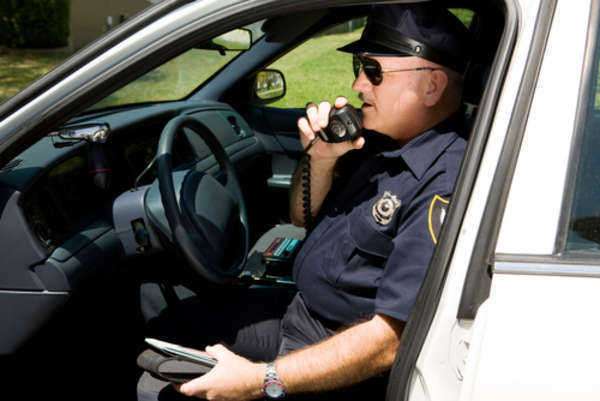
Technically speaking, Minnesota traffic law is some of the easiest to understand in all the nation. For starters, they are one of several states which does not have a penalty points system. In those states, points are given reflecting poorly upon a driver’s record and raising their insurance premiums. For Minnesota, however, these points aren’t given, so Minnesota traffic fines are the state’s principal method of exacting punishment upon violators of traffic laws.
A Sampling of Minnesota Traffic Fines
There are numerous different traffic violations that the state of Minnesota will punish with Minnesota traffic fines. These violations can vary from under $100 to more nearly $500, though you’ll see that most linger in the area from $100-$150. Note, too, that most of the money paid due to Minnesota traffic fines are actually court costs and not strictly speaking Minnesota traffic fines. The only time this will matter is if you are charged with more than one traffic violation at one time, and so you’ll have to pay multiple Minnesota traffic fines but only one court cost, making the prices much lower than what they may appear at first.
Here is a short list of a view different traffic violations the Minnesota traffic fines that the government punishes them with.
•Speeding, including speeding in a school zone, of anything above the posted legal limit—$145.00
•Failure to Yield to a Pedestrian or Another Vehicle which Should Have Been Given the Right of Way—$128.00
•Failure to Obey Stop Sign—$128.00
•Failure to Obey Traffic Control Signal—$128.00
•Careless Driving—$178.00
•Failure to Wear Seat Belt at All Times—$103.00
•Driving without Proper Licensing—$178.00
•Handicap Parking Violation—$278.00
•Driving Over Fire Hose — $118.00
•Unsafe Passing or Passing While Prohibited—$128.00
•Illegal Turning—$128.00
Driving While Intoxicated and Other Crimes
Minnesota charges a few moving vehicle violations much more severely than those above because they are charged as crimes in a criminal court. These include reckless driving, refusal to take a chemical test, fleeing or eluding a police officer, and Driving While Intoxicated.
Driving While Intoxicated in particular is treated very severely. The legal limit for the state is.08 blood alcohol content, but if you commit errors because of intoxication, you can be charged with Driving While Intoxicated no matter your blood alcohol content. Those found guilty of the charge face more than $680.00 in Minnesota traffic fines to be paid as quickly as possible.
An additional punishment for those found guilty of driving while intoxicated is that being arrested four times for driving while intoxicated during the course of ten years means a four-year loss of license and a felony charge. Drivers charged with felony Driving While Intoxicated face up to seven years in prison and a fine of $14,000.
Some first-time offenders and all second-time offenders will also have the option of joining the Ignition Interlock Device Program, which means the installation of a prohibitory device on their car but the possible regaining of driving privileges in three-to-six years.